


Zerohash has applied to become a federally regulated national trust bank in the United States. If approved, the new charter would let the crypto infrastructure firm offer a broader range of digital asset services under direct federal oversight.
What Zerohash Is Asking the OCC to Approve
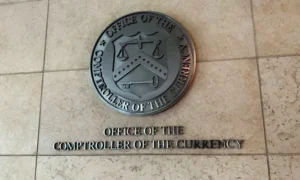
According to filings on the Office of the Comptroller of the Currency (OCC) website, Zerohash has submitted a charter application for “Zerohash National Trust Bank” as a de novo national trust company. The proposed bank would not accept retail deposits or make loans but would provide specialized services for digital assets.
The application says Zerohash wants to offer custody for crypto, fiat, and other assets, as well as custodial staking and validation, transfer agent services, trade execution, and stablecoin management. It also lists settlement, clearing, and escrow services, positioning the trust bank as back‑end infrastructure for institutions that do not want to run their own blockchain operations.
Zerohash’s Chief Legal and Compliance Officer, Stephen Gardner, is slated to become CEO of the proposed trust bank if the OCC approves the charter. In a statement, he called the application “a natural next step” in strengthening the company’s licensing stack and regulatory posture.
How Zerohash Fits into the Growing Trust Bank Trend
Zerohash already holds multiple state and international licenses and provides crypto and stablecoin infrastructure for firms such as Morgan Stanley, Interactive Brokers, Stripe, and Franklin Templeton. Its platform allows these partners to offer trading, settlement, and tokenized-asset products without directly handling digital-asset logistics.
By seeking an OCC national trust bank charter, Zerohash is joining a growing group of crypto firms seeking to operate under a single federal framework rather than a patchwork of state regimes. Ripple, Circle, and BitGo all received conditional approval for similar charters in December 2025. If the OCC grants Zerohash’s application, it would become part of that emerging class of federally chartered digital asset trust institutions.
The OCC’s own digital‑assets licensing page confirms that it is reviewing an increasing number of novel bank applications tied to crypto custody, stablecoins, and tokenization services. Regulators see these charters as a way to bring critical crypto infrastructure under established bank supervision without allowing firms to behave like full commercial banks.
If approved, Zerohash’s national trust bank could give institutional clients a federally supervised counterparty for custody, staking, and stablecoin operations.
READ MORE: Here’s Why Crypto is Going Up Today as Bitcoin, Solana, Chainlink Lead