


A group of pro-crypto U.S. senators is increasing pressure on financial authorities over their treatment of crypto on bank balance sheets. They want clear, fair capital standards so that banks can safely provide bitcoin and other digital asset services rather than sit on the sidelines.
Senators Say Basel Rules Act Like a Ban
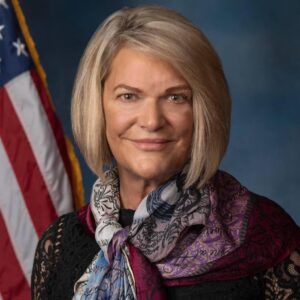
In a new letter, Senators Bill Hagerty, Dan Sullivan, Cynthia Lummis, Ted Budd, and Republican hopefuls Bernie Moreno and Jon Husted target the Basel Committee’s 2022 crypto capital framework. They say its 1,250% risk weight for assets like bitcoin makes it almost impossible for U.S. banks to hold digital assets directly.
Under that standard, a bank must hold one dollar of top-tier capital for every dollar of certain crypto exposure. The senators argue that this level is so extreme that it amounts to a “de facto ban” on banks holding digital assets on their balance sheets at scale.
They say when the restrictions are this tight, the activity doesn’t disappear. Instead, they believe it shifts to less-regulated corporations and offshore platforms, where clients frequently have fewer rights and less control if something goes wrong.
Push for Tech‑Neutral and Risk‑Based Rules
The senators highlight recent guidance stating that tokenized securities should receive the same capital treatment as their underlying assets. This shows regulators can be technology‑neutral and focus on risk, not the tech wrapper.
They argue the same logic should apply across digital assets. If the exposure aligns with what banks already understand, they say capital rules should look similar, whether the asset is traditional or tokenized.
And they’re not asking authorities to overlook actual hazards at the same time. They acknowledge that speculative trading and highly volatile, unbacked coins may warrant higher risk weights, but they prefer a data-driven, calibrated approach rather than a blanket view that all crypto exposure is equally harmful.
This push comes as Congress debates the CLARITY Act, which would allow banks to engage in a broader range of digital asset activities. The senators argue that those new powers mean little if capital rules still make such activities uneconomic.
They are urging regulators to work with lawmakers so that any new digital asset market structure comes with capital standards that are tough but workable. In their view, the U.S. can protect the banking system and keep innovation onshore if it gets this balance right.
READ MORE: SpaceX IPO Will Happen on June 12: Here’s Why SPCX Stock Will Plunge