


The U.S. Justice Department (DOJ) has issued subpoenas to several major banks to investigate whether political bias played a role in the closure of customer accounts. The Wall Street Journal, quoting a source familiar with the situation, reported that JPMorgan Chase, Bank of America, and other large banks received these subpoenas.
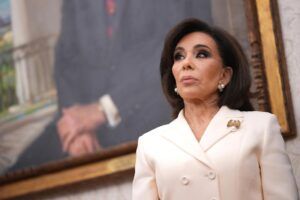
The U.S. Attorney’s Office for the District of Columbia, led by Jeanine Pirro, is leading the investigation. They have asked banks to give them lists of customers whose accounts were closed and to explain the reasons for each closure.
The WSJ reports that some of these subpoenas were issued as far back as last year. The DOJ is also asking for information about customers who say they were “debanked” and the timing of those account closures.
Allegations Of Political Discrimination
The investigation focuses on whether banks shut accounts because of customers’ political views rather than normal risk concerns. The subpoenas extend President Donald Trump’s broader pressure on Wall Street and regulators over alleged discrimination against conservatives and other controversial sectors.
Last year, Donald Trump signed an executive order telling regulators to ensure banks did not deny services to lawful but politically sensitive businesses. The order highlighted complaints from industries such as firearms, fossil fuels, and adult entertainment, which said they struggled to maintain banking relationships.
In January, Trump also sued JPMorgan and CEO Jamie Dimon, claiming the bank “wrongfully closed his accounts for political reasons” after the January 6, 2021, Capitol riot. In a separate case, his family sued Capital One, alleging the bank told Trump‑linked businesses in 2021 it would close more than 300 accounts.
Banks have repeatedly said they do not close accounts for political or religious reasons. They argue that account terminations are consistent with legal duties to monitor for fraud, sanctions violations, and other financial crimes.
The Office of the Comptroller of the Currency had already been reviewing “debanking” before the Justice Department stepped in. In a preliminary report, the OCC said it found early evidence that the nine largest U.S. banks had restricted services to sectors including oil and gas, coal, firearms manufacturers, and adult entertainment companies.
Pirro’s office is now examining whether any closures violated federal laws, such as the Financial Institutions Reform, Recovery, and Enforcement Act of 1989, a statute often used in bank fraud cases that can impose heavy civil penalties.
As the probe continues, banks may need to search years of records and defend how they balance risk controls with equal treatment.
READ MORE: Here’s Why Oracle Stock Crashed After Earnings: Is it a Buy?