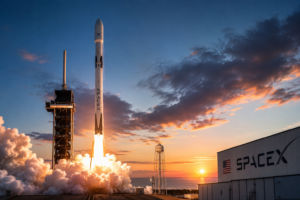



- The SpaceX IPO is nearing and the company may spot a $2 trillion valuation.
- The most recent S1 showed that SpaceX revenue is slowing as its losses mount.
- There are concerns that its valuation is significantly overvalued.
SpaceX’s upcoming IPO is poised to be the largest in history. The company is currently targeting a valuation of at least $1.8 trillion, revised down from its earlier target of over $2 trillion following consultations with advisors and investors.
The fundraise of $75–80 billion alone would eclipse Saudi Aramco’s 2019 record by nearly three times, with shares expected to begin trading around June 12, 2026, under the ticker SPCX on Nasdaq.
SpaceX is Seeing Modest Growth and Elevated Losses
Polymarket traders believe that the company’s valuation will jump to over $2 trillion after going public. However, the biggest question is whether the company is worth this much.
For starters, SpaceX offers severa services. Its main business is launch, where it gets into contracts with the government and corporates to place their satellite in space. It has the biggest market share in this industry, which is expected to keep growing in the coming years.
The company also offers Starlink, a company that offers internet solutions globally. It made over $11 billion in revenue last year and is its biggest revenue earner so far. Its global subscribers jumped to 10.3 million from 5 million a year earlier.
READ MORE: Will Pi Network Price Hit Record Low Ahead of 166 Million Token Unlocks?
SpaceX also owns xAI, a company that owns X, formerly known as Twitter, and Grok, its AI platform.
The most recent released S1 document shows that SpaceX made over $4.6 billion in the first quarter and over $18.64 billion last year. Its Q1 revenue growth represented 13.3% YoY increase. Its annual revenue jumped by 28% last year to over $18 billion. As such, there are signs that the company’s revenue growth is slowing this year.
SpaceX is an unprofitable company, with its Q1 loss soaring to over $4.2 billion. It made a $4.9 billion loss last year.
The company and analysts believe that the company has more room for growth across all its businesses. Its launch business will likely continue attracting more demand over time, while the number of Starlink users are set to surge globally.
Most importantly, its xAI business is expected to see more growth and profits over time once the capital spending phase ends.
Is SpaceX Really Worth Over $2 Trillion?
The main concern among investors is whether SpaceX is really worth $2 trillion, a move that would make it the eighth-biggest company in the world.
Based on its 2026 revenue, it means that the company has a trailing price-to-sales (PS) ratio of 111, which is massive. For example, NVIDIA has a PS ratio of just 13 despite its $5.3 trillion valuation. Apple has a P/S ratio of 10, while Elon Musk’s Tesla has a multiple of 14.
These numbers mean that the company is grossly overvalued considering that its revenue growth is not all that good. For example, while NVIDIA stock is worth over $5 trillion, the reality is that it is experiencing 80% revenue growth. It also has a forward P/E ratio of just 25.
Elon Musk’s companies have a history of attracting premium valuations. For example, Tesla spots a forward price-to-earnings ratio of 215, much higher than the industry average of 15.
READ MORE: VOO ETF Nears $1 Trillion AUM as Wall Street Pros Boost S&P 500 Forecast