

By 2026, cryptocurrency cards are no longer a niche tool — they’ve become part of everyday payments. You can use them just like traditional bank cards: pay in stores, on websites, or at cafés, while your crypto balance is instantly converted into fiat at the point of purchase. No manual exchanges, no complex setup.
In this article, we’ve rounded up the top 6 cryptocurrency debit cards of 2026. We’ll compare key features, fees, supported assets, and rewards, and explain which cards are best suited for different use cases — clearly, practically, and without unnecessary details.
How Cryptocurrency Cards Work
Every cryptocurrency card payment relies on a payment processor that bridges crypto and traditional systems like Visa or Mastercard. This processor sits between the card, the blockchain, and the merchant, handling all the technical steps in the background.
When you pay, the processor checks your crypto balance, calculates the exact amount using the current exchange rate, and converts the crypto into fiat instantly. That fiat payment then goes through the usual card network, so for the merchant, it looks no different from a standard card transaction.
The entire process takes just a few seconds and stays invisible to both the customer and the store. Payment processors allow crypto cards to work in everyday payments without direct crypto support from merchants.
Pros and Cons of Crypto Cards
Crypto cards have both strengths and weaknesses, so it’s helpful to think about how they might work for your everyday spending before choosing one. Here’s an overview of the main pros and cons to help you decide whether this kind of card suits your needs.
Pros of crypto cards:
- You can pay with cryptocurrency the same way you’d use a regular bank card;
- The crypto is automatically converted into fiat at the moment of purchase;
- Many cards offer rewards in crypto;
- A convenient solution for people who earn or hold most of their funds in crypto;
- Often issued through major payment systems like Visa and Mastercard.
Cons of crypto cards:
- Fees and exchange rates may be higher than with traditional banking cards;
- Availability can vary depending on your country and local laws;
- You may need to pass KYC, and accounts can be frozen in some situations;
- Tax reporting may become more complex, depending on your jurisdiction.
Top 6 Cryptocurrency Cards in 2026
As cryptocurrencies move closer to everyday finance, more users are searching for convenient ways to spend them. Below we’ve highlighted some of the leading crypto cards in 2026, together with their key advantages, to help you make an informed choice.
1. Cryptomus Card
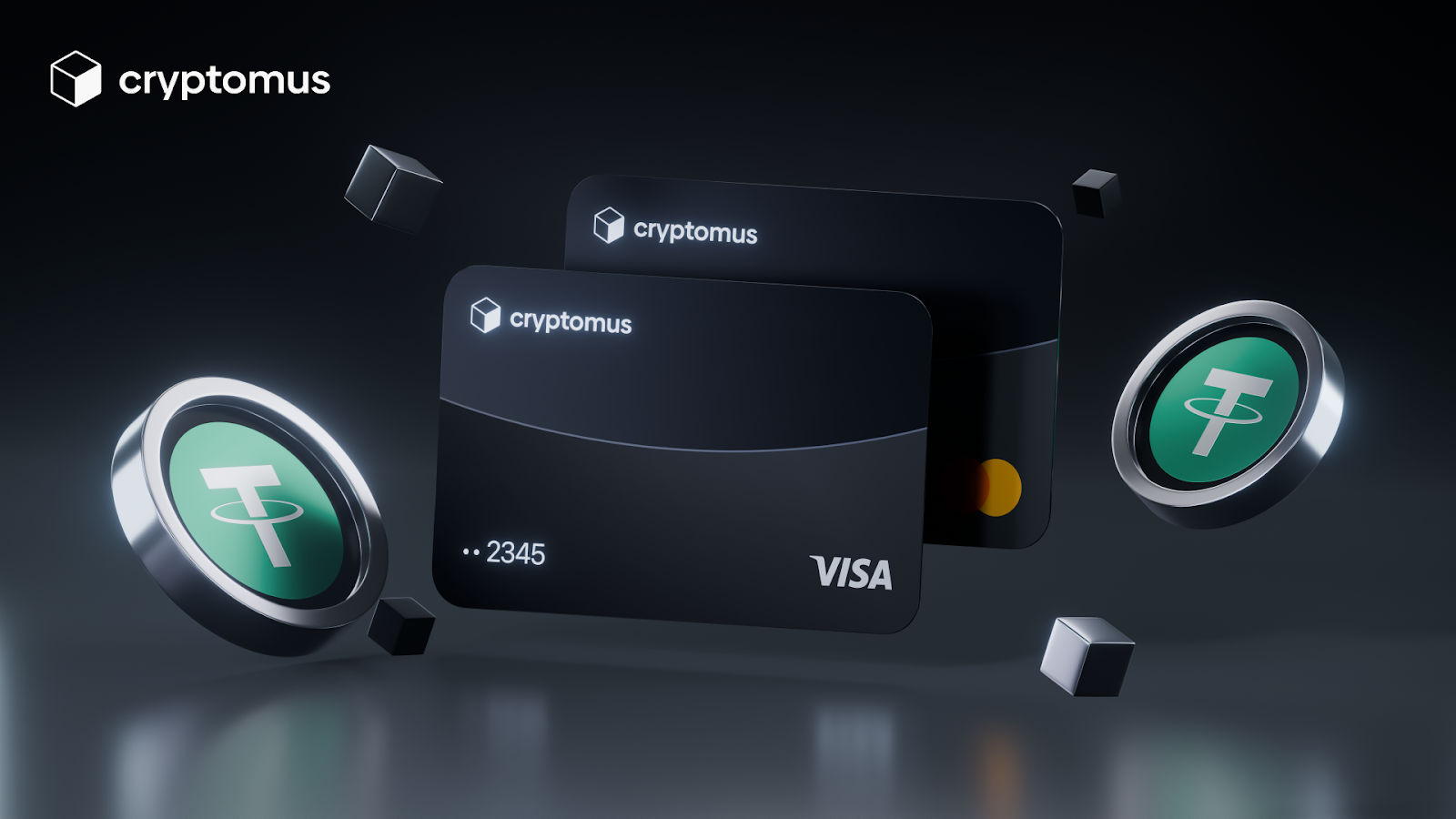
The Cryptomus Card targets users looking for a straightforward way to use digital assets for everyday spending. After a quick, one-off KYC check, users can instantly issue up to 10 virtual Visa or Mastercard cards, load them from their Cryptomus Personal Wallet in USDT or USDC, and link them to Apple Pay or Google Pay. The fees are fully transparent and depend on the chosen BIN, while security is enhanced with 2FA, 3DS, and the option to freeze the card whenever needed. At the moment, the card works in EUR and USD.
2. NovaCard
NovaCard is positioned as a practical solution for daily crypto spending. After completing a standard KYC check, users can issue several virtual Visa or Mastercard cards and fund them directly from their internal crypto balance. Payments are processed in fiat, while crypto conversion happens instantly at checkout. The card can be added to Apple Pay and Google Pay and used both online and offline. Fees depend on the card type and region and are shown in advance. Security tools include 2FA, 3D Secure, and instant card locking.
3. FlexiCard Digital
FlexiCard Digital focuses on flexibility and multi-asset support. Users can create multiple virtual cards after completing standard KYC and top them up directly from their in-app crypto balance. The card supports major stablecoins and popular cryptocurrencies, with real-time conversion during payments. It can be added to mobile wallets and used worldwide wherever Visa or Mastercard is accepted. Fee structure varies by region but remains fully transparent in the dashboard. Additional protection includes 2FA and temporary card suspension.
4. CoinWay Card
The CoinWay Debit Card is aimed at everyday spending with minimal setup. Once verified, users can instantly issue a virtual card and load it using USDT or USDC from their internal wallet. Payments are processed in fiat, while crypto conversion happens automatically in the background. The card works with Apple Pay and Google Pay and supports online subscriptions and offline purchases. CoinWay applies straightforward transaction fees and offers standard security tools such as 3DS, balance limits, and manual card blocking. Available fiat currencies include EUR and USD.
5. Payonex Crypto Card
Payonex Crypto Card offers a simple bridge between crypto balances and traditional payments. After KYC approval, users can generate multiple virtual cards and fund them with stablecoins. The card supports contactless payments via mobile wallets and can be used for e-commerce, travel, and daily expenses. Exchange rates are calculated in real time, with fees displayed upfront. Security options include two-factor authentication, spending controls, and instant card deactivation. The card currently operates in USD and EUR.
6. BitFlow Virtual Card
BitFlow Virtual Card is built for users who prefer digital-first payment solutions. Following a one-time verification, users can issue virtual debit cards and top them up from their crypto account using stablecoins. The card integrates with Apple Pay and Google Pay, allowing seamless in-store and online payments. Crypto is converted to fiat instantly at checkout, without manual exchanges. BitFlow provides transparent pricing, 3D Secure protection, and full card management through the app. The card supports EUR and USD for everyday transactions.
Cryptocurrency cards in 2026 have become a practical way to use digital assets in everyday life. However, not all cards work the same. Differences in fees, supported currencies, usability, and security can significantly affect the overall experience.
The best option depends on your priorities and where you live. By comparing security features, available assets, and ease of use, you can choose a card that fits naturally into daily spending — while keeping full control over your cryptocurrency.