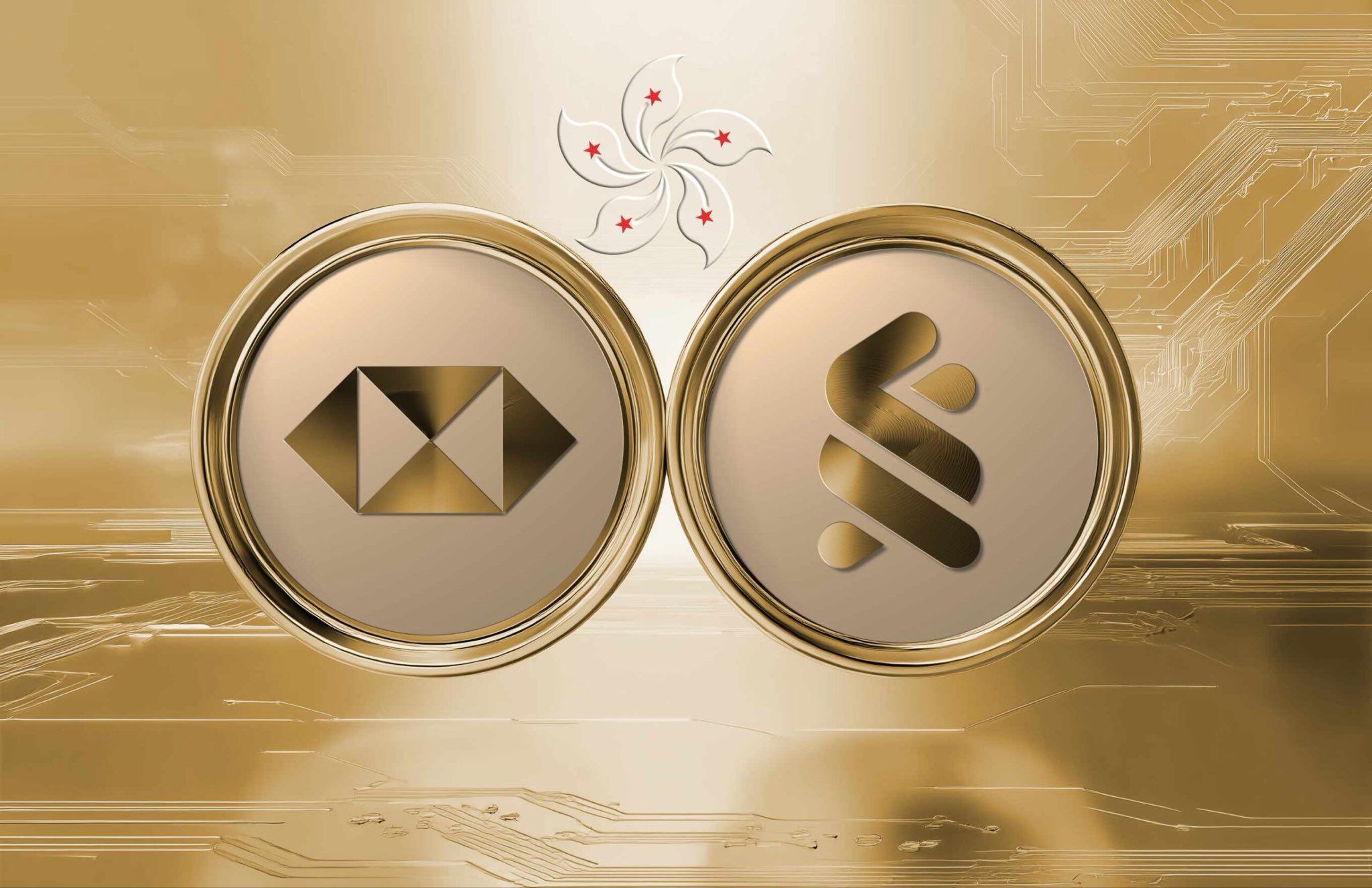



Hong Kong has granted its first stablecoin issuer licenses to HSBC and Anchorpoint Financial, a joint venture led by Standard Chartered.
HSBC and Anchorpoint Secure HKMA Approval
The Hong Kong Monetary Authority (HKMA) granted HSBC and Anchorpoint Financial the city’s first licenses for fiat‑backed stablecoins. Under Hong Kong’s new stablecoin legislation, which went into force in August 2025, regulators chose the two companies from a pool of 36 applications.
Standard Chartered Bank (Hong Kong), Animoca Brands, and Hong Kong Telecommunications (HKT) worked together to develop Anchorpoint Financial. The corporation officially asked for a license on August 1, 2025, the day the Stablecoins Ordinance entered into effect.
Regulators claimed that, to “bridge” banking and digital assets, they selected candidates with extensive backgrounds in traditional finance and risk management. To maintain strict oversight during the initial stage, regulators now allow only a limited number of issuers.
Both HSBC and Anchorpoint received approval to issue stablecoins backed by the Hong Kong dollar under HKMA oversight. Issuers must fully back these tokens with high‑quality, liquid reserves that match the coin’s currency.
HSBC said its stablecoin will be available inside its PayMe app and HSBC HK Mobile Banking, giving retail customers direct access. Anchorpoint plans to work with selected businesses as distributors so that users can reach its stablecoin through partner platforms.
Under the Stablecoins Ordinance, issuers must hold at least HK$25 million in capital and maintain liquid capital equal to 12 months of operating expenses. They must also offer one‑for‑one redemption at par within one business day and clearly disclose reserve composition.
How Hong Kong’s Stablecoin Rules Work
Hong Kong’s stablecoin framework focuses on fiat‑referenced coins and bars algorithmic models from being licensed. Any firm issuing a Hong Kong dollar‑pegged stablecoin in the city or targeting local users must obtain an HKMA license.
The laws require firms to keep client assets separate, maintain strong governance, and enforce robust safeguards against money laundering and terrorist financing. The HKMA also constantly monitors issuers, conducting audits, issuing reports, and conducting on-site inspections.
Officials have framed the regime as a way to position Hong Kong as a regulated hub for digital payment instruments alongside the US and EU. At the same time, they aim to avoid the reserve and governance weaknesses seen in some overseas stablecoins
READ MORE: Here’s Why Venice Token is Soaring: VVV Burn Rate and More