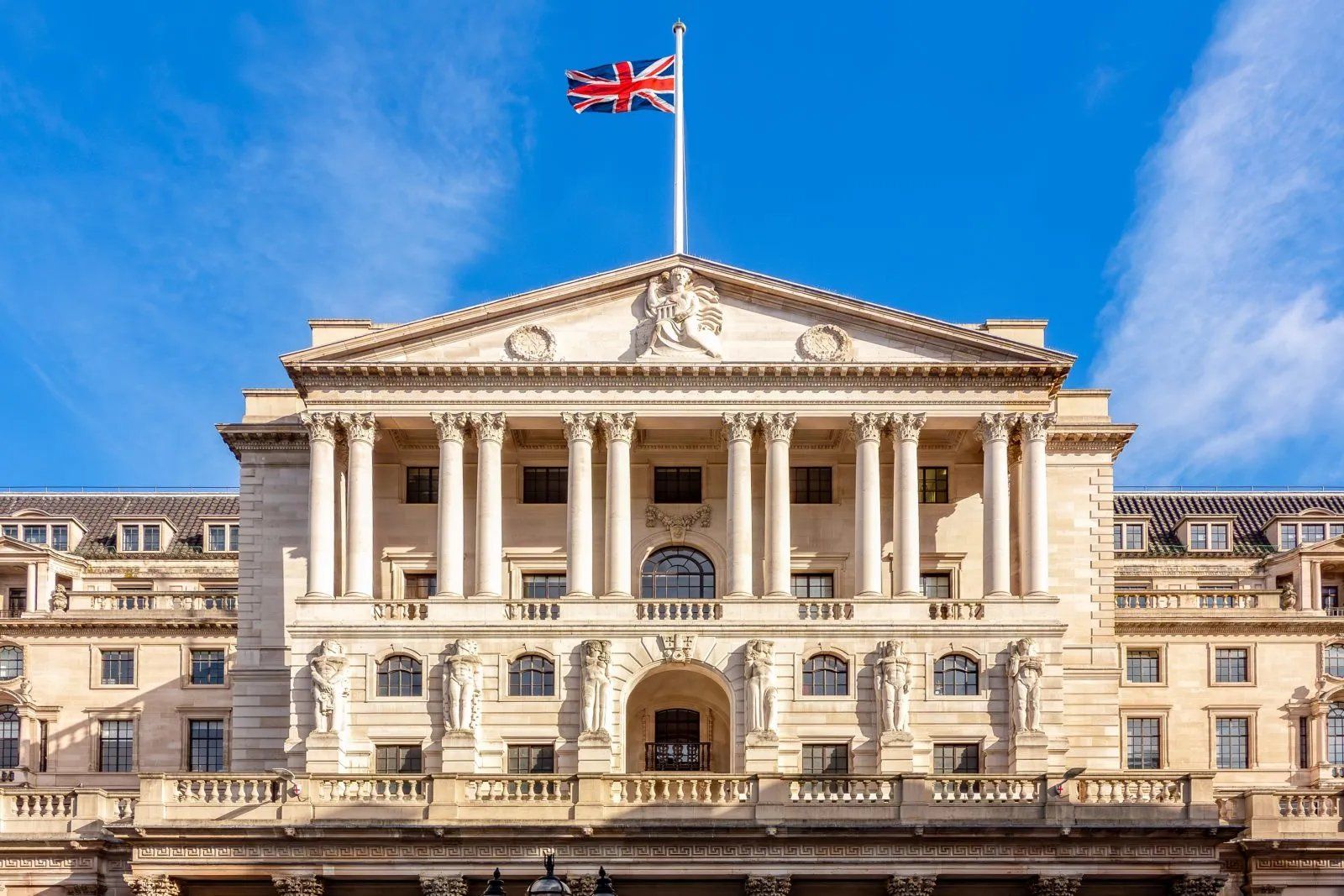



The Bank of England is softening its stablecoin rules after industry pushback, while the UK markets watchdog is making pound-linked stablecoin payments a key 2026 goal. Together, regulators are trying to balance financial stability concerns with maintaining the UK’s competitiveness in digital finance.
The Bank of England’s original consultation for “systemic” sterling stablecoins proposed strict holding limits and very conservative backing rules. Industry groups warned that a hard cap on the amount of stablecoin individuals and businesses could hold would send a “terrible signal” and make real‑world use cases almost impossible.
After that criticism, Deputy Governor Sarah Breeden told the FT on Thursday that the Bank is “genuinely open to other ways” of managing the risk that deposits could suddenly move from banks into stablecoins. Legal analyses note that updated plans would allow systemic issuers to hold up to 60% of reserves in short-term UK government debt and earn a return on part of their backing assets, rather than keeping everything in near-cash instruments that yield almost nothing.
Commentators describe this as a more “nuanced and innovation‑friendly” approach that still keeps systemic issuers tightly supervised.
FCA Makes Sterling Stablecoins a 2026 Priority
While the Bank of England tunes the prudential regime, the Financial Conduct Authority is pushing hard on payments. In a late‑2025 statement and letter to Prime Minister Keir Starmer, the FCA said UK‑issued, pound‑pegged stablecoins will be a “major priority” in 2026 and part of a broader growth and competitiveness plan.
The FCA wants sterling stablecoins to enable faster, more convenient payments and sees them as a key digital‑money building block. To prepare, it is fast‑tracking a dedicated stablecoin sandbox inside its Digital Sandbox, allowing firms to test pound‑pegged tokens and payment use cases in a controlled setting before the full rulebook lands. Issuers that want to join must apply by January 18, 2026, and will receive direct feedback on compliance, consumer protection, and technical robustness.
For now, only a few million dollars’ worth of sterling stablecoins are in circulation, but both the Bank and the FCA say they could make UK payments faster, cheaper, and more efficient if safely scaled. The Bank is therefore trying to avoid rules that freeze innovation while still guarding against sudden shifts out of bank deposits.
At the same time, the FCA is openly embracing a “bolder risk appetite” to support growth while keeping consumer protection and market integrity in view.
READ MORE: Nio Stock C&H Points to a Jump to $10 as Focus Shifts to May 21