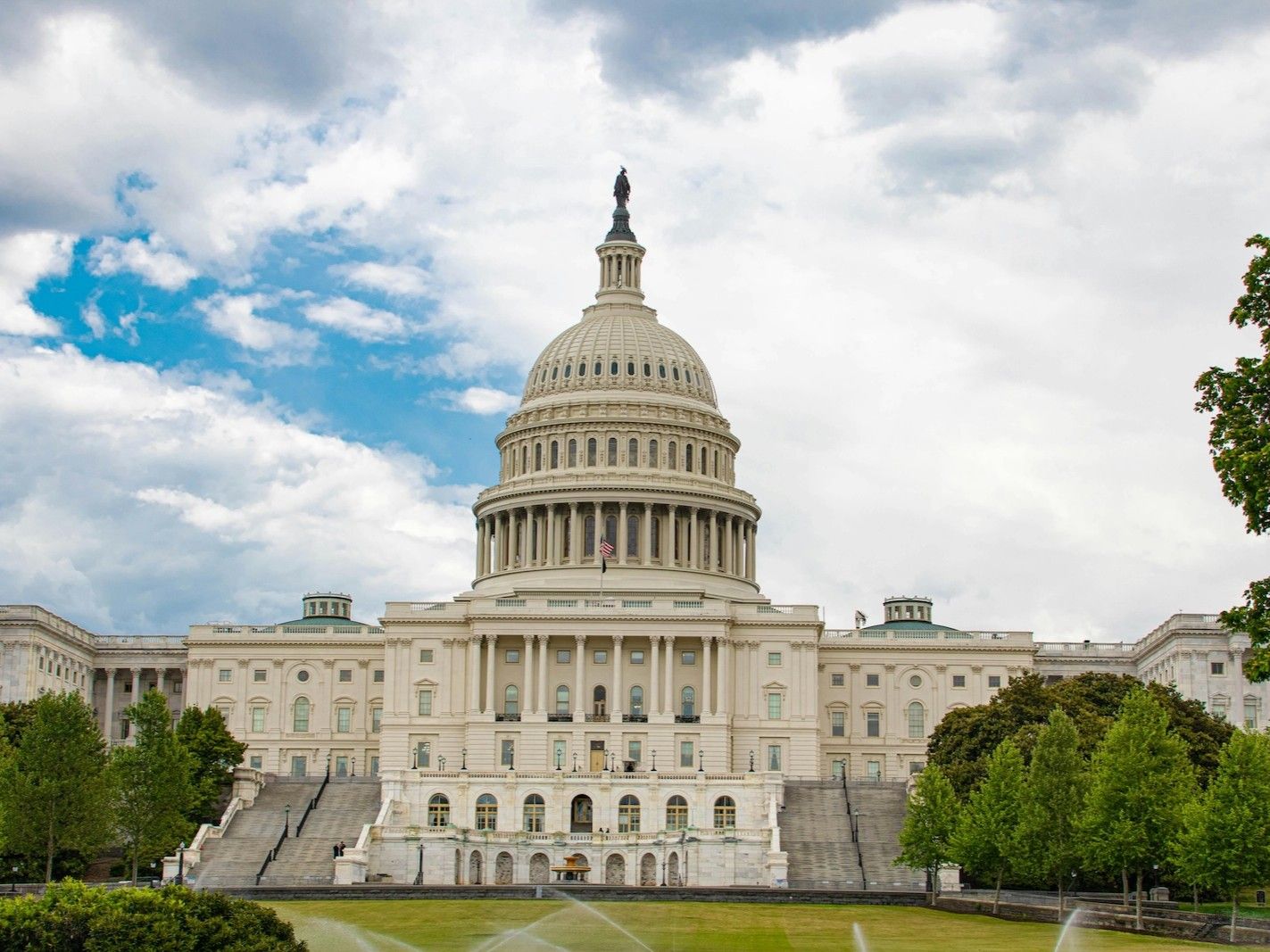



Last‑minute talks on the Crypto Clarity Act broke up without a deal, even though senators say they agree on almost all of the bill. Negotiators now expect Thursday’s Senate Banking Committee markup to split along party lines, despite weeks of quiet bipartisan work.
The Digital Asset Market Clarity Act is the Senate’s main market‑structure bill for US crypto trading and token projects. It establishes shared powers for the SEC and CFTC and establishes guardrails for exchanges, stablecoins, and certain DeFi activities. Lawmakers released the latest 300‑plus‑page draft this week ahead of the committee vote.
On Wednesday night, a small bipartisan group met again to fix what both sides call the “last 1%” of problems in the bill. Senator Cynthia Lummis, one of the lead Republican negotiators, said they have an agreement on 99% and urged Democrats to move the rest after markup. She warned that if Congress fails to act and “another FTX” hits US investors, senators will have “no one to blame but ourselves.”
Ethics Fight Over the First Family
Several Democrats, including Senators Adam Schiff and Ruben Gallego, also want tougher ethics and conflict‑of‑interest rules tied to the First Family before backing the bill. They are seeking clearer guidance on when trades or investments by close relatives of top officials become problematic when those officials oversee crypto regulation. People briefed on the talks say negotiators made real progress on an ethics compromise on Wednesday.
But the adjustments weren’t enough to clinch an across-the-aisle deal in time for the session to close. Democrats said they still want to see the final ethics text before committing their votes, placing at least five pro-crypto Democrats on the Banking Committee in a holding pattern.
The biggest late snag came from a new language tied to the Blockchain Regulatory Certainty Act (BRCA), which was folded into the Clarity Act draft. BRCA aims to protect non‑custodial software developers, node operators, and wallet providers from being treated as money transmitters when they do not control user funds, saying that those activities without unilateral asset control should not trigger money transmitter licensing.
Industry groups and some lawyers argue that changes to the Clarity Act could weaken these protections by imposing know‑your‑customer‑style duties on some DeFi tools. Lummis has pushed back, saying recent bipartisan revisions would still give developers “the strongest protections ever enacted,” but last‑minute disagreements over how far protections should go helped sink a final deal on Wednesday.
READ MORE: Nebius Stock Soared as Predicted: Is the Rising Depreciation a Risk?