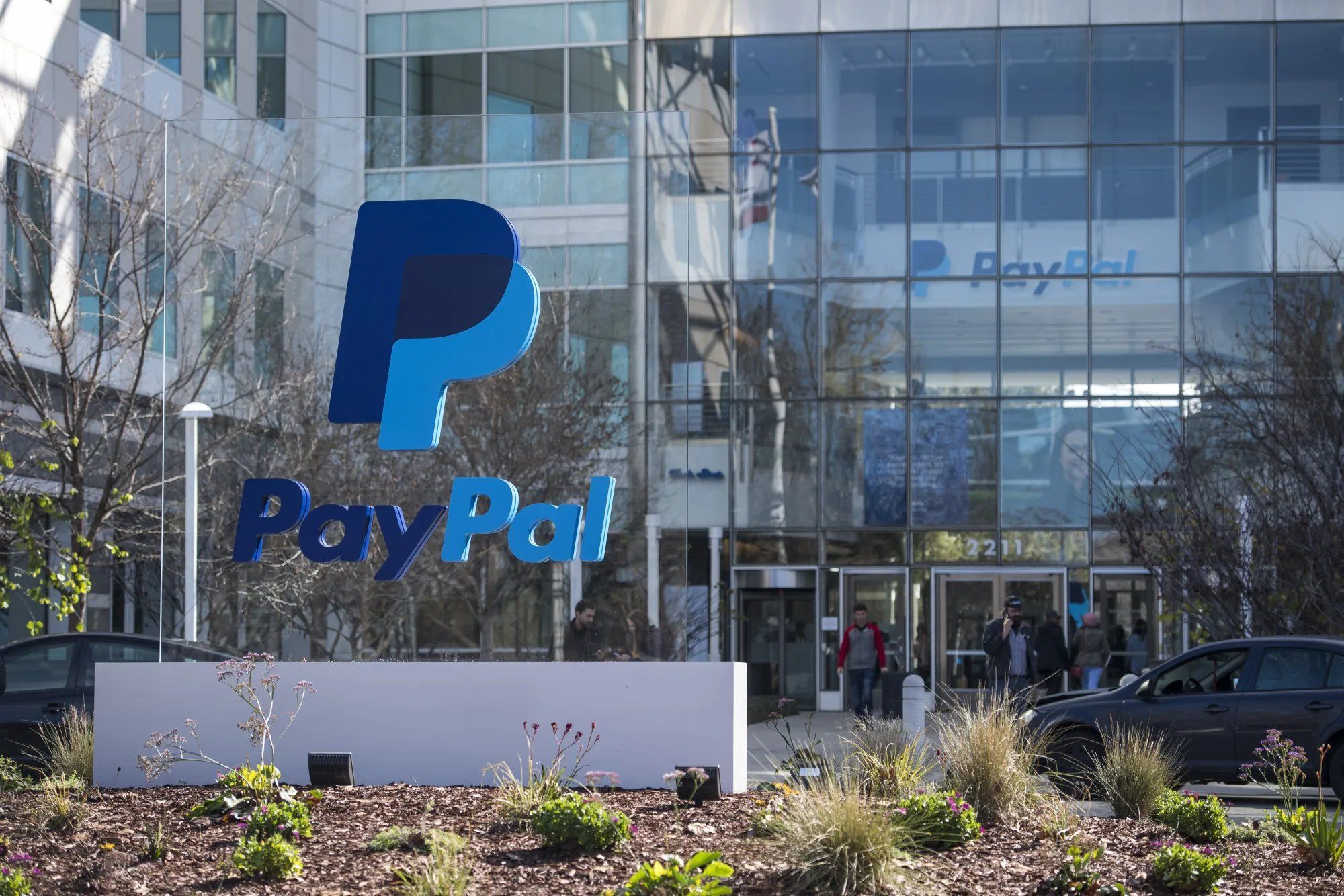



PayPal has taken its most ambitious step yet toward the core of the U.S. financial system, submitting an application to become a full-fledged U.S. bank. If approved, the bid would shift the payments giant from the margins of regulated finance into the same supervisory orbit as traditional lenders.
Rationale Behind the PayPal Application
The application seeks a national banking charter that would allow PayPal to accept insured deposits, make loans directly, and plug into the Federal Reserve’s payments and liquidity systems. That status would replace the current patchwork of state money-transmitter licenses and partner-bank arrangements that underpin many of its U.S. services.
A banking license would allow PayPal to hold customer balances as deposits rather than as parked funds swept through third parties, tightening its control over funding costs and interest income. It could also extend credit from its own balance sheet at scale, rather than relying as heavily on partner-originated products or balance sheet-light structures.
Consequently, regulatory monitoring would rise. PayPal would have to meet capital and liquidity requirements, undergo stress testing, and endure continuous regulatory oversight, like a bank.
It would be subject to the same level of scrutiny as established lenders with regard to its governance, risk models, and balance sheet. This would increase the cost of compliance but likely increase trust among regulators and certain institutional partners.
What the Move Means for Users and Competitors
A successful application might provide customers with more integrated products under one roof, including small-business credit lines, high-yield savings accounts, daily payments, and, eventually, mortgages or investment-linked products.
In times of market stress or when fintechs without charters are under pressure, deposit insurance would increase confidence in held balances.
For incumbent banks and other fintechs, the bid highlights a strategic fault line. Some digital players continue to operate as front ends on top of partner banks; others now seek full charters to control more of the economic stack. If PayPal secures approval, it would bolster the argument that at least some large fintechs should graduate into bank status rather than remaining in a regulatory gray zone.
READ MORE: Will Shiba Inu Price Rebound as Exchange Reserves Plunge, Whales Buy?