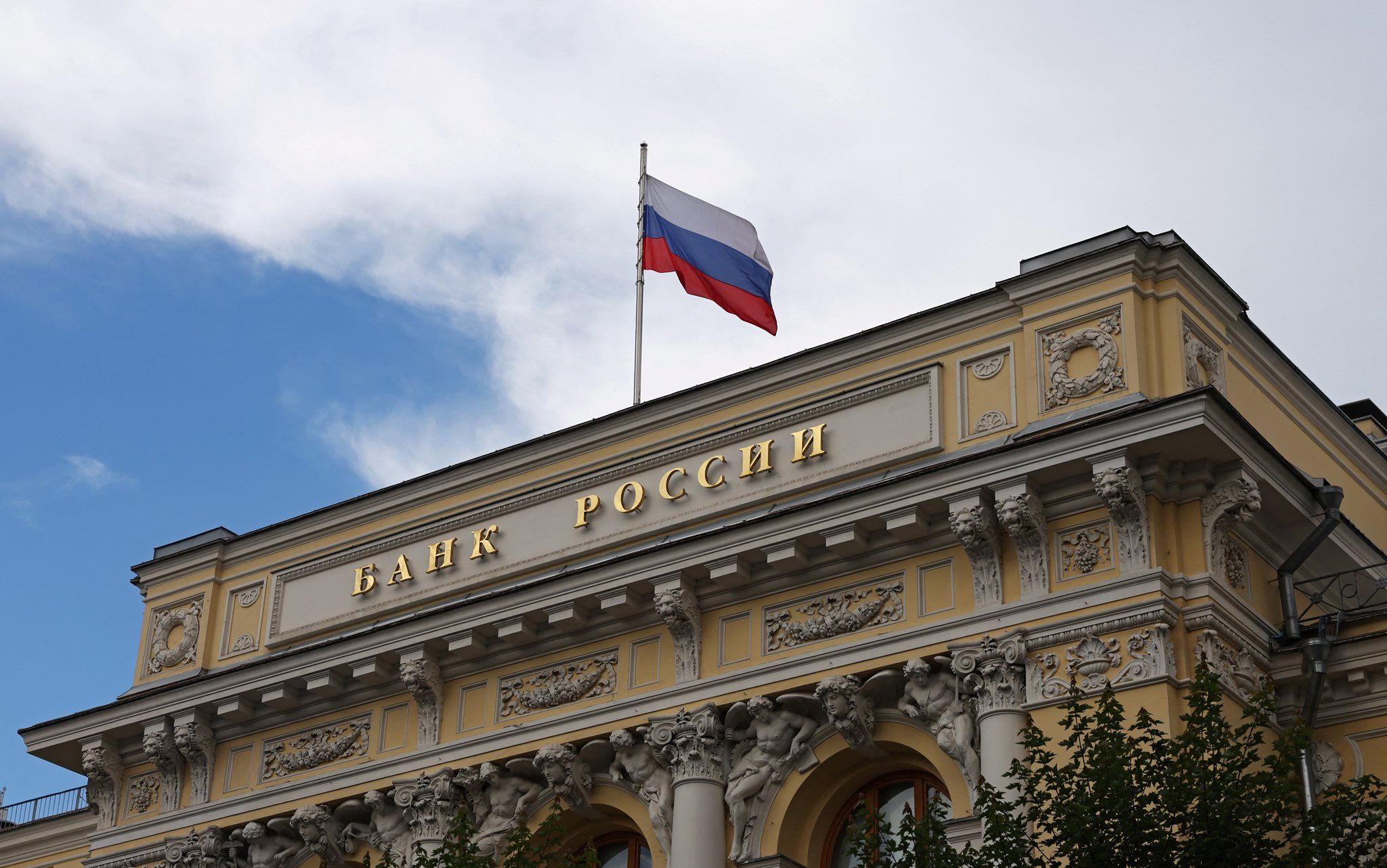



Bank of Russia plans to open a narrow but significant channel for unqualified investors to purchase digital assets under a tightly controlled regime.
Bank of Russia Considers Calibrated Access for Retail Investors
Under the emerging framework, unqualified investors gain access to specific categories of digital assets through regulated platforms rather than informal peer-to-peer channels. The central bank intends to set strict limits on annual investment volumes, leverage, and eligible instruments to reduce the risk of outsized losses.
Prospective buyers may need to pass knowledge tests or risk-tolerance checks before gaining permission to trade above minimal thresholds. Licensed intermediaries must verify identity, disclose risks in clear language, and report suspicious activity, extending existing securities market standards into the crypto segment.
Balancing Control and Market Reality
The policy is an attempt to balance regulatory skepticism with the fact that Russian citizens already use digital assets for transfers, savings, and speculative trading. The Bank of Russia hopes to remove trading from unregulated over-the-counter networks and opaque offshore platforms by identifying this activity and directing it into supervised venues.
The central bank continues to separate payment instruments from speculative assets. Although it allows investment, it still opposes the unrestricted use of cryptocurrencies as legal tender or as a substitute for the ruble in domestic transactions.
If licensed market participants want to assist unqualified cryptocurrency investors, they must fulfill additional requirements. They have to incorporate cybersecurity standards, custody controls, and client asset segregation that are on par with or better than those found in conventional banking and broking. Costs associated with compliance may encourage consolidation, benefiting bigger organizations that can develop strong infrastructure.
The action also paves the way for more extensive discussions on the adoption of digital rubles and the coexistence of private cryptocurrencies, tokenized assets, and central bank-issued digital currencies. To inform future regulations on taxation, capital flows, and cross-border payments, policymakers can use the new regime as a test bed for how households engage with digital value.
READ MORE: Solana Price Prediction: Analysts Eye $110 Support as MACD Turns Bearish