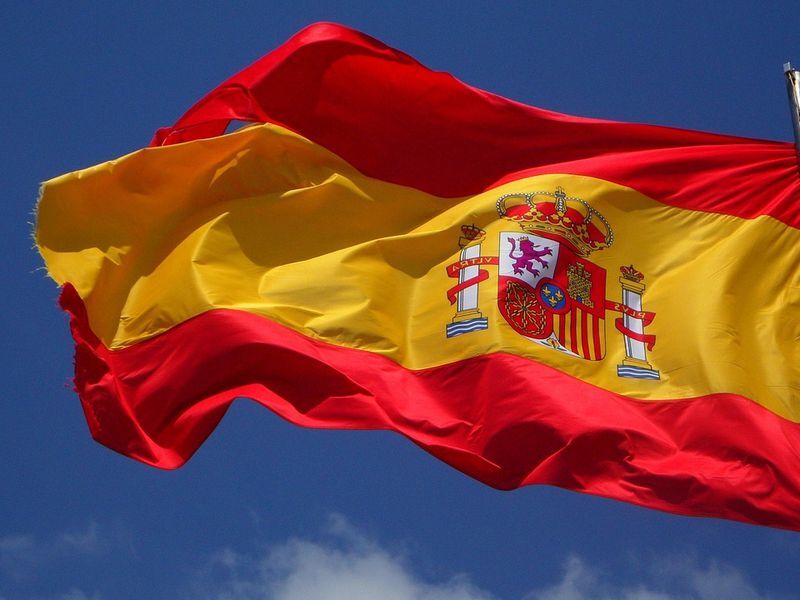



Spain plans to bring two major pieces of crypto legislation into force in 2026, aligning its domestic framework with the European Union’s Markets in Crypto‑Assets (MiCA) regulation and the DAC8 tax transparency rules.
Role of MiCA and DAC8
MiCA will introduce a harmonized licensing regime for crypto-asset service providers (CASPs) across the EU, including exchanges, custodians, and issuers of stablecoins that operate in the EU. Firms will need authorization, robust governance structures, clear white papers for specific tokens, and strict safeguards in place to protect client funds and ensure operational resilience.
Spain’s adoption of MiCA in 2026 will replace much of its current patchwork of guidance with a unified European rulebook, giving compliant providers passporting rights across the bloc.
At the same time, unregistered or non-compliant platforms targeting Spanish residents will face a greater enforcement risk as supervisors coordinate more closely at the EU level.
In parallel, Spain plans to implement the EU’s DAC8 directive, which extends automatic tax information exchange to crypto‑asset transactions and certain e‑money products. Under DAC8, crypto platforms and certain wallet providers are required to identify users, track relevant transactions, and report data to tax authorities, who then share it with other EU member states.
For Spanish residents, these measures will narrow the space for undeclared gains or cross‑border transfers routed through foreign platforms. The directive covers both domestic and non‑EU providers that serve EU clients, pulling more of the global crypto economy into standardized reporting channels.
What this Means For the Market and Compliance
When combined, DAC8 and MiCA will increase the cost of compliance for providers while lowering regulatory ambiguity for serious operators seeking unambiguous rules of engagement. To comply with the new prudential and reporting regulations, businesses may need to restructure internal record-keeping, risk management, custody controls, and onboarding.
The 2026 deployment is likely to result in stronger identification checks, increased transparency at sign-up, and fewer alternatives for consumers to trade on loosely regulated platforms while remaining within the Spanish system.
The framework simultaneously seeks to enhance market integrity, consumer protection, and legal clarity, indicating that cryptocurrency in Spain is transitioning from a murky area to a regulated sector within mainstream finance.
READ MORE: Dogecoin Price Slips as DOGE ETF Inflows Stay Flat