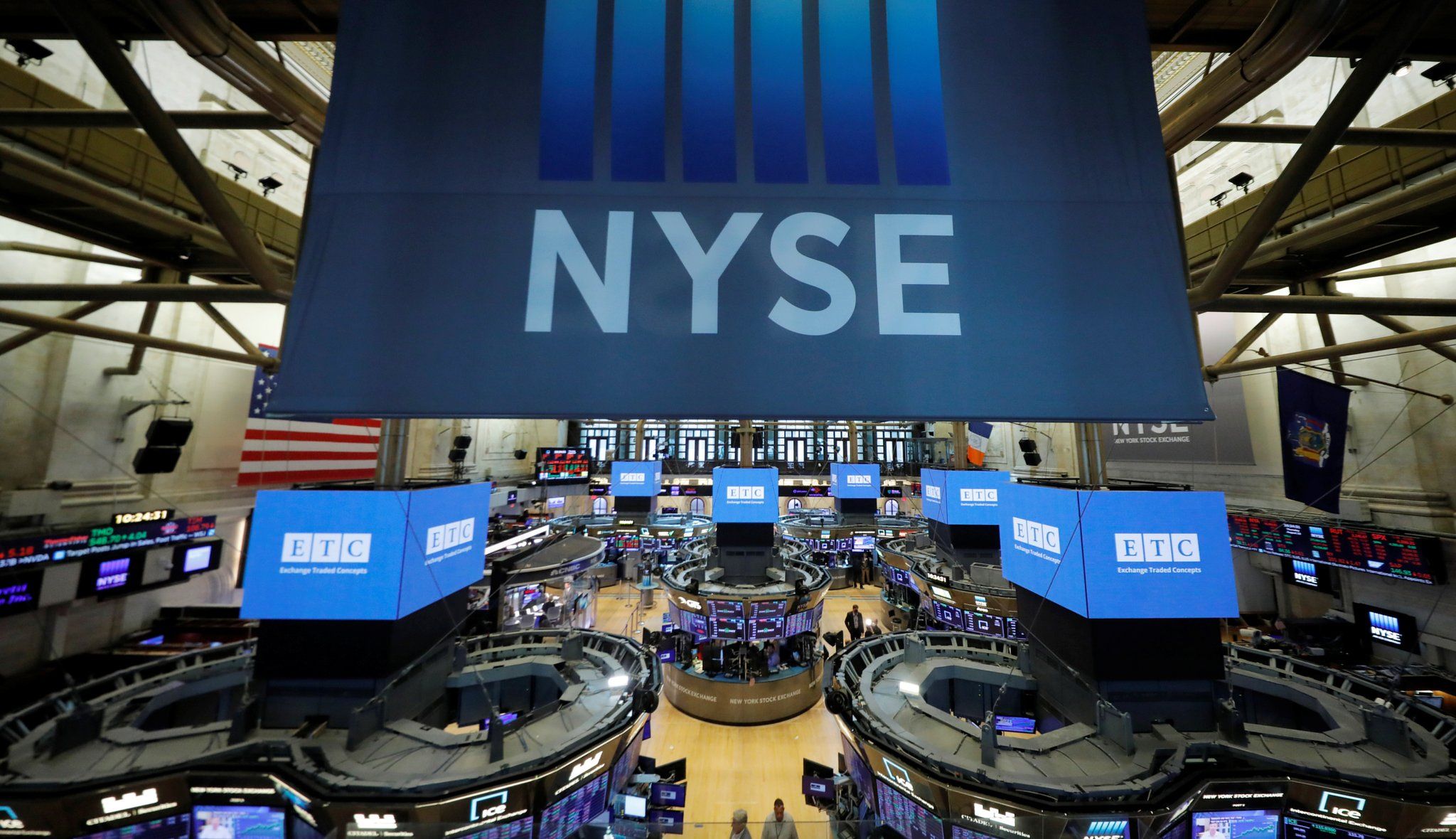



The New York Stock Exchange is developing a blockchain-based venue that will enable 24/7 trading and on-chain settlement of tokenized U.S. stocks and ETFs, pending regulatory approval. The platform combines NYSE’s existing Pillar matching engine with private blockchain networks and uses stablecoins for instant, around-the-clock settlement of dollar-denominated orders.
NYSE’s Tokenized Securities Platform
Intercontinental Exchange, NYSE’s parent company, said the new digital platform will support both tokenized representations of traditionally issued securities and natively digital tokens issued directly on-chain.
Tokenized shareholders will retain conventional rights such as dividends and voting, with the tokens fungible with their underlying listed shares rather than forming a separate asset class.
The system aims to run continuously, removing the hard close of the regular trading session and narrowing the gap between U.S. markets and Asian or European time zones.
Orders will be sized in dollar amounts rather than whole-share lots, enabling fractional exposure to listed companies and funds while using regulated stablecoins as funding and settlement rails outside banking hours.
Market Structure Shift and Regulatory Path
NYSE executives describe the initiative as part of ICE’s broader move toward on-chain market infrastructure that covers trading, settlement, custody, and collateral management.
ICE is working with major banks, including BNY Mellon and Citigroup, on tokenized deposits so clearing members can move collateral and meet margin calls even during the closure of traditional payment systems.
Launching later this year, the platform will operate as a new NYSE venue and require U.S. regulatory clearance. Its design principles will align with current market structure regulations, such as providing certified broker-dealers with non-discriminatory access.
The move coincides with Nasdaq’s pursuit of longer trading hours and the expansion of pre- and post-market sessions by retail brokers such as Charles Schwab and Robinhood, which reflects increased demand for ongoing access to U.S. stocks.
Tokenization’s Role in Equity Markets
By shifting settlement from the current T+1 cycle to near-instant on-chain finality, NYSE aims to reduce counterparty and operational risk while simplifying back-office processes.
The tokenized model also supports fractional ownership and programmable payouts, positioning traditional stocks and ETFs within a digital architecture familiar to crypto-native investors.
READ MORE: Polygon Price Prediction: Top Reasons POL May Rebound Soon