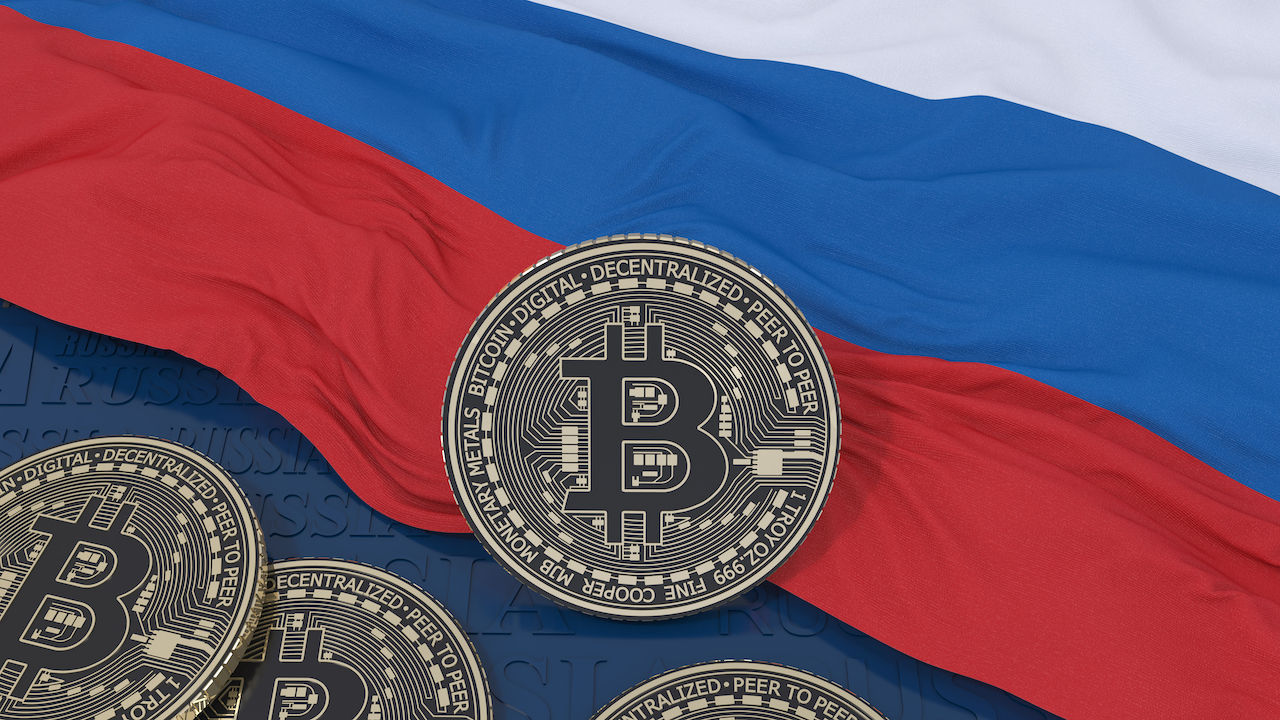



Russia is preparing a new crypto law that will finally let retail investors buy digital assets under clear rules. Lawmakers aim to finish the bill by the end of June, with the framework scheduled to roll out from July and fully apply by 2027.
Through authorized platforms, institutional and individual investors will be able to participate in the local cryptocurrency market. After years of legal ambiguity, when transactions occurred in grey areas, and most activity remained unofficial, this represents a significant transformation.
How Retail Participation Will Work
Under the plan, non‑qualified or retail investors will face strict limits to reduce risk. Several sources indicate annual purchases will be capped at approximately 300,000 rubles (roughly $ 3,800- $4,000) per person.
Retail traders will need to pass a knowledge or eligibility test before gaining access to crypto. Those who qualify will be able to buy only a small set of the most liquid coins, such as Bitcoin and Ethereum, likely selected from the top five to ten assets by market value.
Qualified or professional investors will have greater flexibility. They will be able to trade a wider range of tokens without strict annual caps, although they must still pass risk‑awareness checks. Anonymous or privacy‑focused cryptocurrencies will stay banned for all users.
Role of the Central Bank of Russia and Licensed Exchanges
In the new structure, the Bank of Russia will be at the core. It will oversee the exchanges, brokers, and custodians that handle digital assets and authorize which coins can be listed for retail customers.
Every cryptocurrency transaction must take place on authorized platforms. As with illicit banking, unregistered exchanges may face severe fines and even jail time for their organizers.
People cannot use Bitcoin to make purchases at local stores because domestic cryptocurrency payments remain prohibited. However, the central bank can approve stablecoins and other tokens for use in cross-border trade, especially for transactions affected by sanctions.
This new course follows years of disagreement between the central bank, which previously advocated a near-total prohibition, and the finance ministry, which advocated regulation. Since then, the use of cryptocurrency in cross-border transactions and wealth protection has grown amid Western sanctions, making it more difficult to evade a clear regulatory framework.
READ MORE: Sei Network Integrates Ondo’s USDY as Institutional RWA Activity Grows