


Key Points:
- OFAC sanctioned two UK-registered crypto exchanges for facilitating transactions linked to Iran and the IRGC.
- Treasury identified seven Tron wallet addresses tied to activity previously linked to IRGC-controlled infrastructure.
- One of the exchanges processed unusually large crypto volumes since launching in 2022.
- The case is connected to businessman Babak Morteza Zanjani and underscores a broader pattern of crypto-based sanctions evasion.
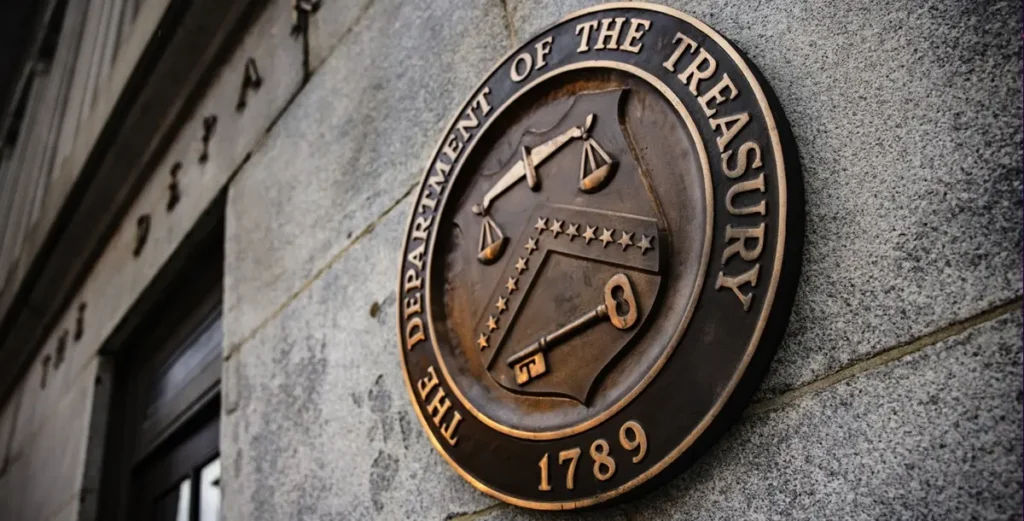
The US Treasury’s Office of Foreign Assets Control added two UK-registered cryptocurrency exchanges to its sanctions list on January 30, marking the first time Washington has named digital exchanges for operating in the Iranian financial sector.
OFAC named Zedcex Exchange Ltd. and Zedxion Exchange Ltd. for facilitating transactions for entities linked to Iran’s Islamic Revolutionary Guard Corps and for being part of a network designed to circumvent international sanctions.
This action is a sign of growing concern among US and allied financial regulators about how state-sponsored entities are using blockchain technology to move money outside the traditional financial system.
OFAC Designates Zedcex and Zedxion for Ties to Iran
Zedcex, which started its operations in August 2022, has facilitated more than $94 billion in transactions, according to the US Treasury. Zedxion, incorporated in May 2021, previously listed Iranian businessman Babak Morteza Zanjani as a director. Zanjani has long been known for his involvement in sanctions evasion and large-scale financial transactions in Iran.
The sanctions notice also identified seven Tron network addresses connected to Zedcex, some of which overlap with wallets previously flagged by Israel’s National Blockchain Counter Terrorism Unit as controlled by the IRGC. Treasury said transaction graphs show ongoing financial interactions between the exchanges, sanctioned Iranian entities, and domestic exchanges.
Regulators described the pattern as consistent with established layering techniques, in which funds move through multiple hops and service providers to obscure their origin before becoming usable.
Compliance Pressure Builds for Global Crypto Firms
The action is part of a wider trend in which virtual assets are increasingly used by Iran-linked actors to evade international sanctions, particularly for oil transactions, proxy funding, and procurement networks.
The implications of these sanctions for exchanges and custody operators are increased wallet-level screening, re-evaluation of historical counterparties, and termination of relationships that could expose them to secondary sanctions risk.
There could also be reduced liquidity, particularly on large exchanges, as major players implement stricter controls, while smaller exchanges that do not conduct adequate screening are more likely to be affected.
Treasury’s move signals that incorporation in a Western jurisdiction offers no shield when ownership structures, customer bases, or transaction flows point back to sanctioned states, an approach likely to shape future crypto enforcement worldwide.
READ MORE: TRON Price Analysis: TRX Stuck While Usage Hits Records