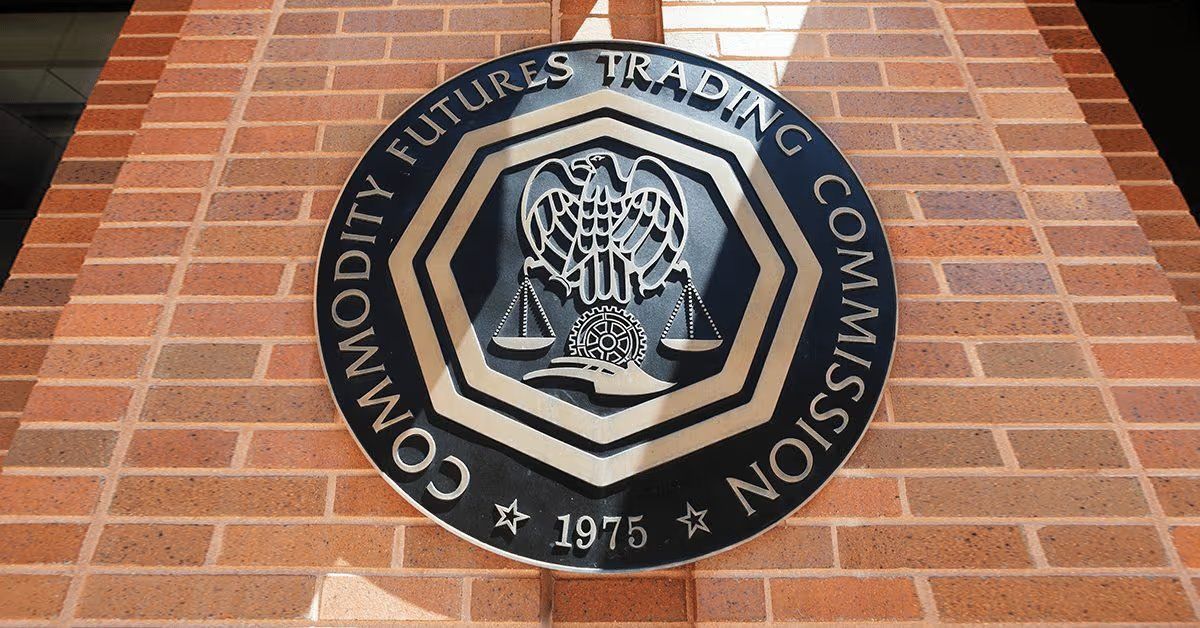



The U.S. Commodity Futures Trading Commission (CFTC) has formally withdrawn its 2024 proposal that aimed to ban political and sports prediction markets. That draft rule would have treated many election and sports contracts as harmful and tried to shut them down completely.
In a recent announcement, new CFTC chairman Michael S. Selig said the agency is dropping the old “Event Contracts” proposal and will start fresh on new rules. He described the earlier plan as a “frolic into merit regulation” that exceeded the Commodity Exchange Act’s authority.
Why This Is A Win For the Two Prediction Markets
Prediction markets such as Kalshi and Polymarket are central to this policy shift. The withdrawn proposal targeted the kind of election and sports contracts they offer. Additionally, it was written while earlier leadership fought these markets in court.
Kalshi sued the CFTC after the agency blocked its 2023 plan to list contracts on which the party controlling Congress would prevail. In September 2024, a federal court vacated the CFTC’s order and said those political contracts were not illegal “gaming” under current law, handing Kalshi a major win.
By May 2025, the CFTC withdrew its appeal in that case, allowing the pro‑Kalshi ruling to stand. Later, the regulator also approved Polymarket’s return to the U.S. market after an earlier enforcement action, clearing the way for a regulated relaunch.
What the New CFTC Approach Looks Like
Selig says the CFTC will now develop a new framework for “event contracts” to support what he calls “lawful innovation” rather than banning entire categories such as politics or sports. The agency will still use its authority to block contracts tied to clearly banned topics such as terrorism or assassination, but it no longer wants a blanket prohibition on elections or games.
According to Reuters, the CFTC plans to draft detailed rules that specify when event contracts are permitted and how they must be designed. The goal is to provide firms like Kalshi and Polymarket with clearer standards so they can launch products without ongoing legal disputes.
The reversal reflects both court pressure and a change in political leadership. The 2024 ban proposal was proposed under the prior administration but was never finalized. After a court ruled Kalshi’s election contracts were lawful and Selig took over as chair, the CFTC gradually backed away from its earlier stance.
READ MORE: Zcash Price Falls 14%: Why ZEC Leads Market Losers Today