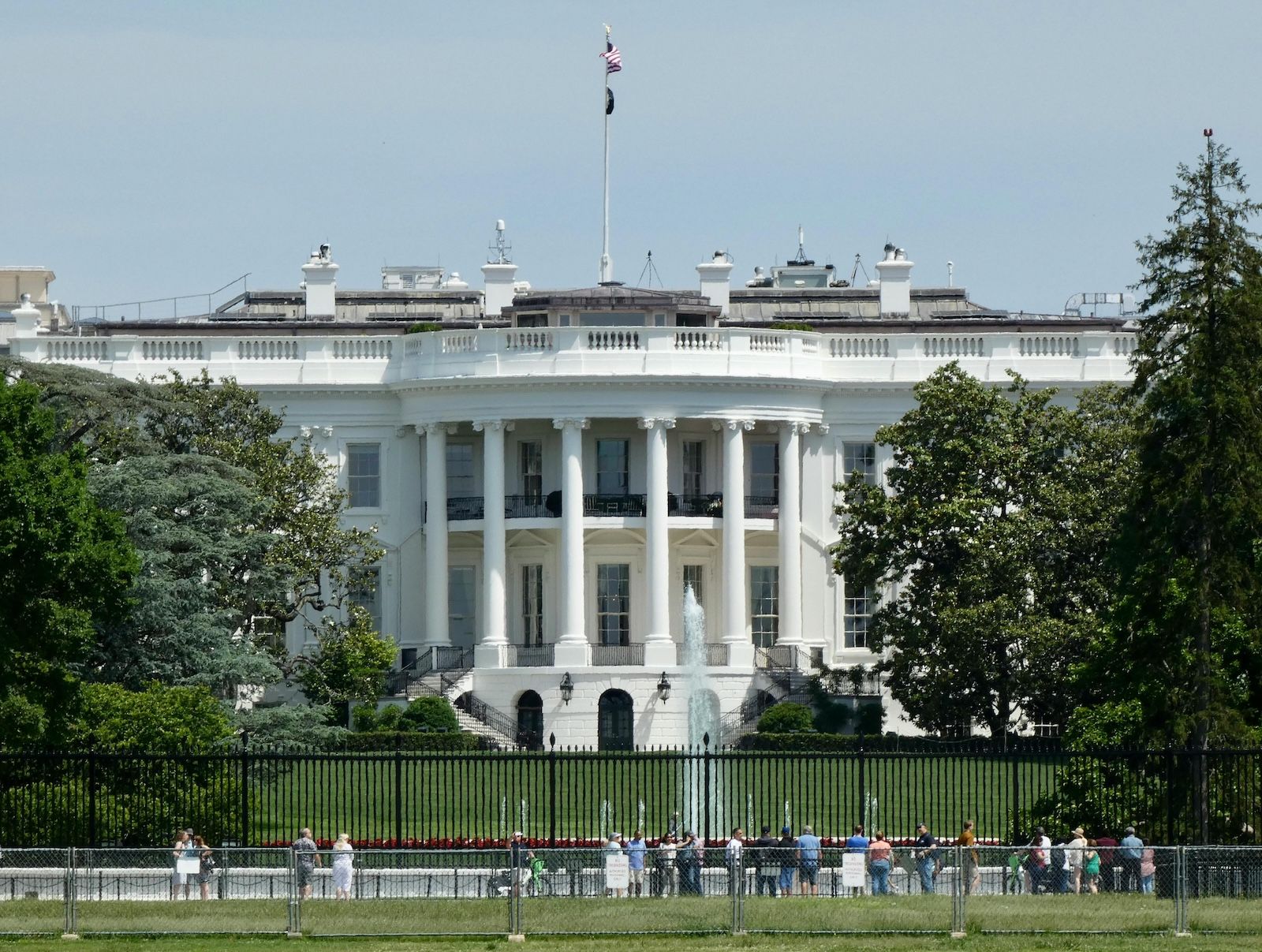



The White House has signaled it is ready to accept limited stablecoin rewards in a key U.S. crypto bill after weeks of pressure from banks and digital asset firms. Officials now back a compromise that allows some yield on stablecoin activity while still protecting traditional bank deposits from large outflows.
How Stablecoin Rewards Became the Sticking Point
As per CoinDesk sources, the debate centers on “stablecoin rewards,” which include yield, interest, or points that platforms pay users for holding or using dollar‑pegged tokens. Banks warned that generous rewards could pull hundreds of billions of dollars out of checking and savings accounts, especially if crypto firms face lighter regulatory oversight.
The Senate’s Digital Asset Market Clarity Act links market structure reforms with rules on payment stablecoins, updating last year’s GENIUS Act framework. Earlier drafts leaned toward banning rewards on idle balances, which upset crypto companies that already run staking‑style and cash‑back programs for stablecoin users.
To break the deadlock, the White House convened several meetings with Wall Street banks and crypto executives through its internal crypto policy council. Those sessions focused heavily on section 404 of the draft bill, which addresses stablecoin activities and the extent to which rewards programs can go.
What the New Compromise Could Look Like
According to people familiar with the latest talks, White House negotiators now support allowing stablecoin rewards for certain transactions and use cases, such as payments, trading, or short‑term promotional campaigns. However, the agreement in progress would still block ongoing interest‑like rewards on passive stablecoin holdings that function like bank deposits.
President Donald Trump’s crypto adviser, Patrick Witt, has pushed both sides to accept this middle ground so the broader market structure bill can move forward this year. The White House has also set an informal early‑March timeline for banks and crypto groups to finalize language, or risk delays that could push the bill into late 2026.
Industry groups such as the Blockchain Association called the latest White House session a “constructive step” that keeps negotiations on track and narrows the gap on rewards. If banks agree to limited rewards, analysts expect key senators to return to supporting the Clarity Act, lifting one of the main obstacles to a floor vote.
READ MORE: Grayscale Raises Cardano Weight in Smart Contract Fund