


- Minnesota considering a statewide ban on cryptocurrency ATMs amid persistent scams.
- About 350 licensed kiosks operate in Minnesota; state tightened rules in 2024.
- AARP and police cite urgent social-engineering scams and large individual losses.
- Industry representatives oppose a ban, urging prevention-focused solutions.
Minnesota lawmakers are advancing legislation that would impose a statewide ban on virtual currency kiosks, a sharp escalation from the state’s regulatory approach just two years ago.
The bill, currently moving through the Legislature, would prohibit anyone from placing or operating a crypto kiosk anywhere in Minnesota and would repeal the licensing and disclosure framework established under state statute chapter 53B.
That framework, which the Commerce Department strengthened in 2024 with transaction caps and mandatory on-screen fraud warnings, has not contained the pattern of financial crime that advocates and police say is getting worse.
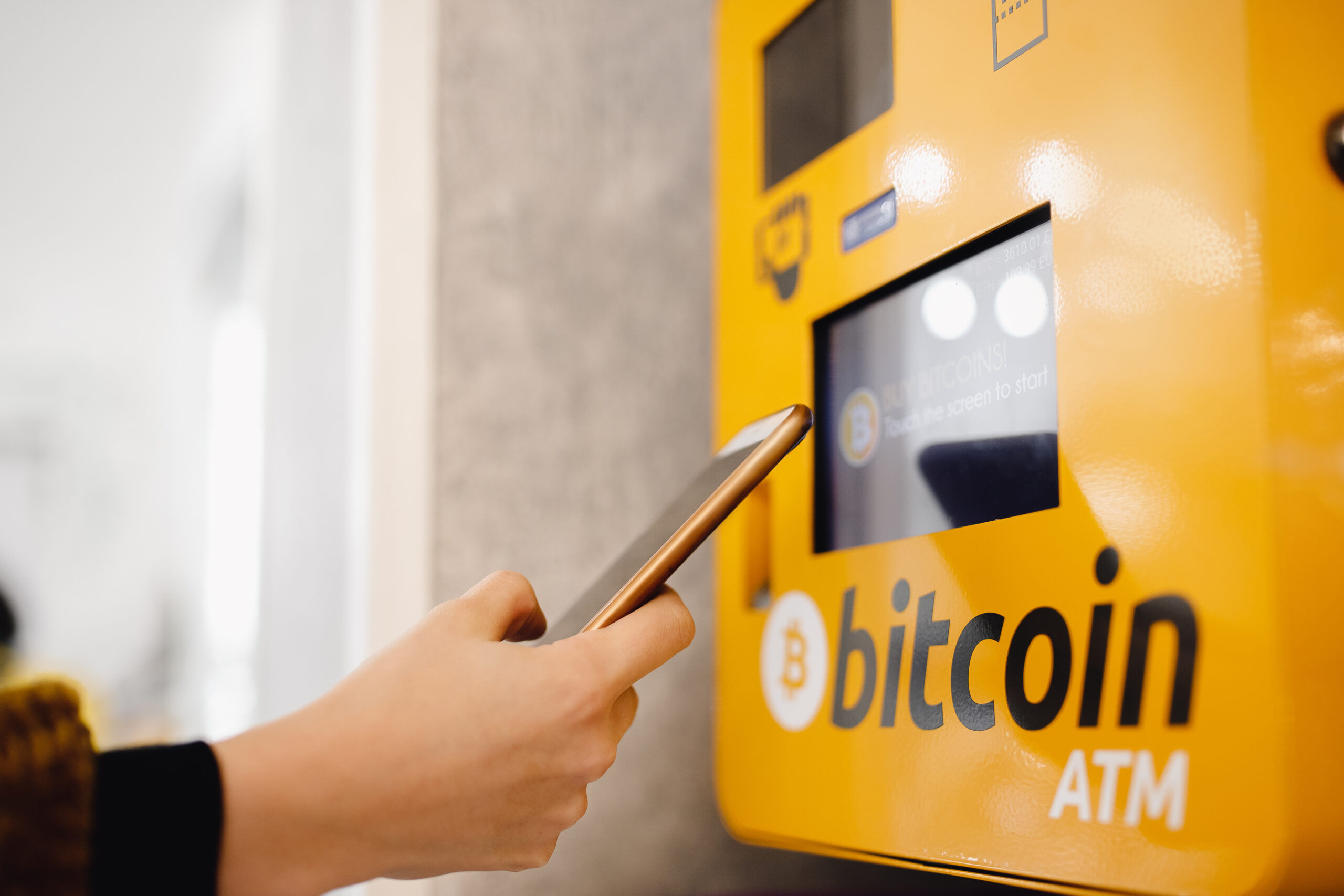
Minnesota has roughly 350 of the machines, typically stationed inside gas stations and convenience stores. Under existing rules, operators were required to cap daily transactions for new customers at $2,000 and to display explicit scam warnings before each transaction. Law enforcement argues the controls have not worked in practice.
READ MORE: DOJ Pushes October Retrial for Tornado Cash Developer Roman Storm
The human toll is hard to dismiss. Earlier this month, an 89-year-old St. Paul resident lost nearly $9,000 after a scammer impersonated a family member in distress and directed him to a nearby kiosk. Tom Elness, advocacy manager for AARP Minnesota, said the tactic is still routine.
“Scammers are still doing fake phone calls to victims, saying they have a family emergency, and the victim is then asked to put their cryptocurrency in a crypto kiosk,” he said.
Why Existing Regulations Aren’t Enough
Police say the machines create a nearly untraceable money pipeline. Sartell Police Chief Brandon Silgjord described following the funds as a near-impossible task once a transaction clears. “You can trace some of the money, some of the times,” he said, “but it tends to be moved and moved and moved and usually ends up in a foreign country, so there’s really nothing to recover.”
The proposal marks a fundamental shift in strategy. Rather than adding further requirements to an existing framework that critics say scammers have already learned to navigate, legislators are now weighing whether unattended kiosks should be permitted to operate in their current form at all.
The industry and consumer advocacy groups are watching closely as Minnesota decides between an outright prohibition and a stricter licensing-and-enforcement model. Additional testimony from law enforcement, businesses, and consumer protection advocates is expected in the next few days ahead of a floor vote.
READ MORE: Avalanche (AVAX) Jumps on Record Blocks and RWA Deal