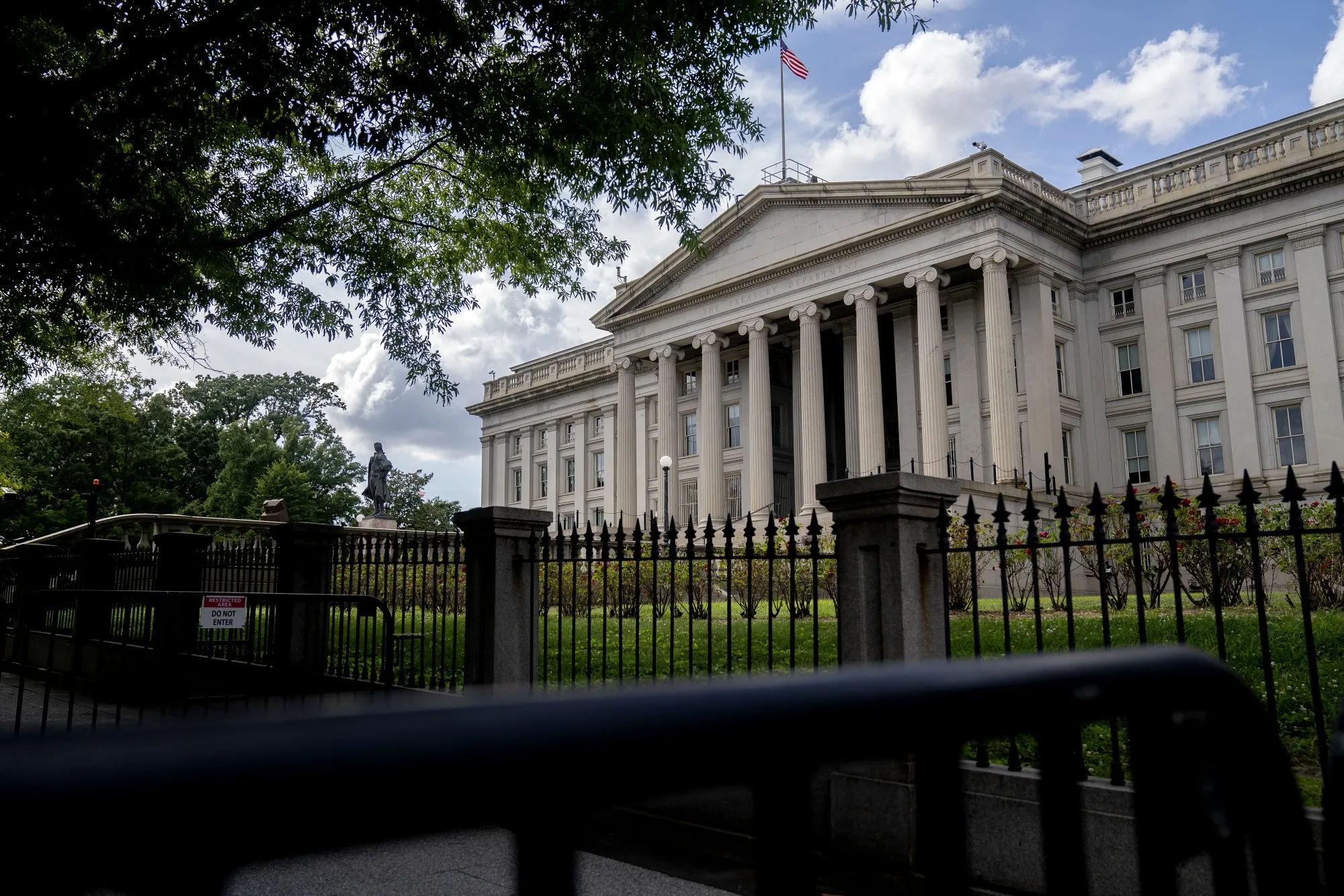



The US Treasury has sanctioned six individuals and two entities tied to a North Korean scheme that used remote IT work and cryptocurrency to raise nearly $800 million in 2024. Officials say the money helped finance Pyongyang’s nuclear weapons and ballistic missile programs, making it a major national security concern.
The designations were issued by the Treasury’s Office of Foreign Assets Control on March 11.
US authorities now block any property they hold in the United States or that is owned by US persons.
Authorities also prohibit most financial dealings with them.
Treasury officials describe the scheme as part of a broader DPRK strategy to exploit digital assets, cybercrime, and fake IT jobs to dodge global sanctions. They say this model has become one of North Korea’s most important sources of revenue in recent years.
How the $800M IT-Worker and Crypto Operation Worked
Treasury and US law enforcement partners claim that the DPRK sent out groups of highly qualified IT professionals who posed as remote developers for Western businesses, including US enterprises. These personnel concealed their ties to North Korea and obtained contracts by using front firms, stolen documents, and phony identities.
After companies hired them, the employees requested payment in cryptocurrencies or through digital asset platforms and middlemen. According to US officials, the regime made around $800 million in 2024 alone from this global IT worker program.
Treasury says sanctioned Vietnamese businessman Nguyen Quang Viet converted about $2.5 million into cryptocurrency for North Korean clients. Those funds included earnings from IT workers linked to the DPRK firm Amnokgang Technology Development Company. The DPRK firm dispatched tech teams abroad and secured technology for the regime.
Who Was Sanctioned and What Was Frozen
The latest action targets six individuals and two entities that allegedly helped move or convert DPRK IT-worker revenue. The US government has now sanctioned Amnokgang Technology Development Company, a North Korean IT firm, for operating in the DPRK’s information technology industry.
Nguyen and his company provided currency-conversion services and acted as a key bridge between crypto platforms and the traditional banking system, Treasury says. OFAC also updated listings for previously sanctioned North Korean agent Sim Hyon Sop, adding more cryptocurrency addresses linked to his laundering network.
READ MORE: IREN Stock Price Targets a Surge to $60 as NVIDIA Invests in Nebius