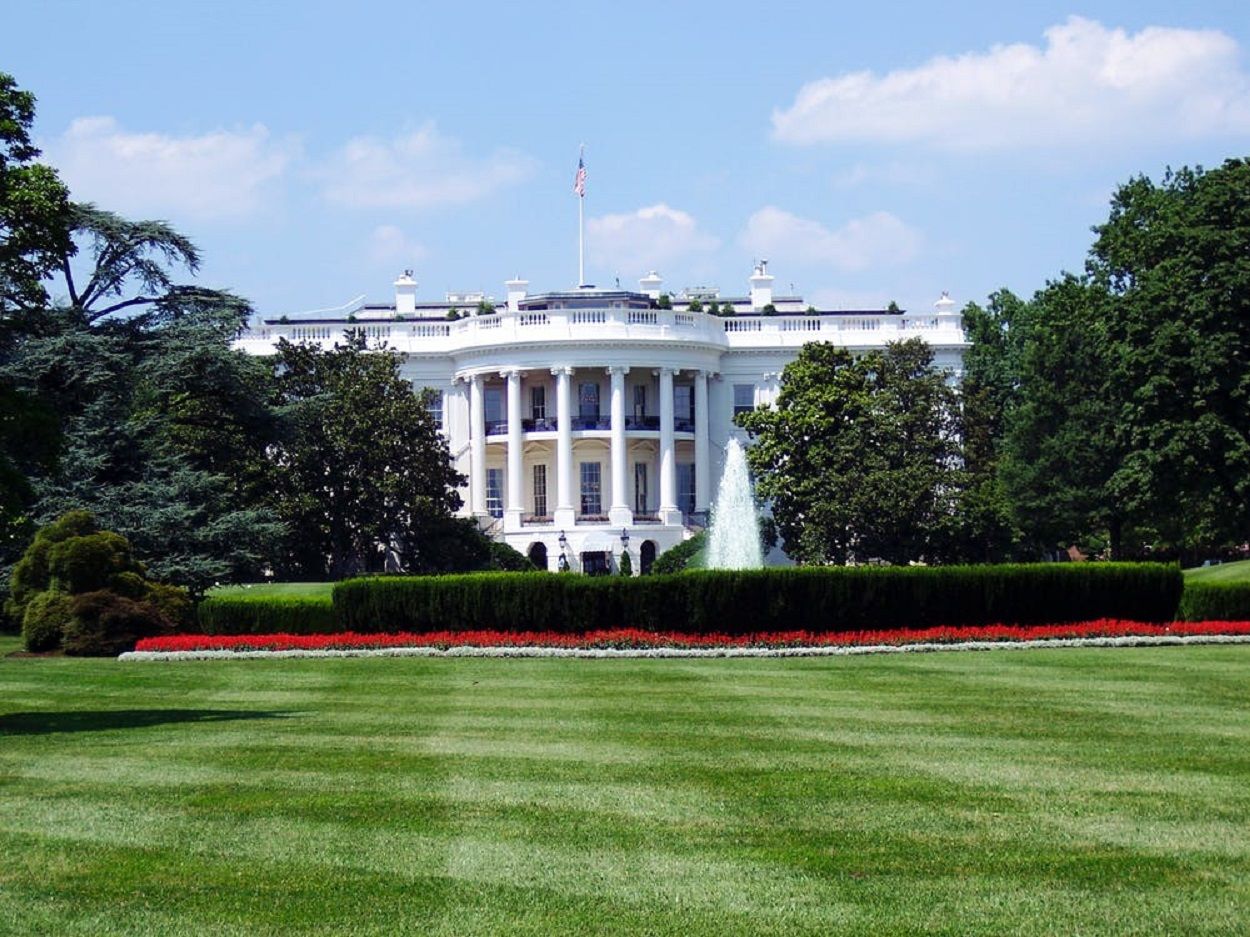



- Marc Andreessen and Fred Ehrsam were appointed to PCAST, signaling White House alignment.
- PCAST appointees include major tech executives and are co-chaired by David Sacks and Michael Kratsios.
- January industry split stemmed from Coinbase's objection to stablecoin yield language.
- Venture firms prioritise broad legal clarity; Coinbase faces direct revenue impact from yield limits.
- April Senate Banking Committee markup will hinge on stablecoin yield language and industry unity.
The White House has added prominent crypto backers to its top technology advisory body as lawmakers move closer to revising a key market structure bill. Venture capitalist Marc Andreessen and Coinbase co-founder Fred Ehrsam have been appointed to the President’s Council of Advisors on Science and Technology (PCAST), signaling increased engagement with industry voices as debate around the CLARITY Act intensifies.
The council, co-chaired by White House AI and crypto adviser David Sacks and former U.S. CTO Michael Kratsios, includes senior executives from across the technology sector. While PCAST holds no regulatory authority, its composition often reflects the administration’s priorities and can shape policy direction indirectly as Congress finalizes legislation.
Stablecoin Yield Restrictions Drive Industry Divide
Tensions around the CLARITY Act escalated in January after Coinbase withdrew support for the draft bill. The exchange objected to provisions that would prevent stablecoin issuers from earning interest on the reserves backing their tokens, a revenue stream closely tied to exchange economics. Through its relationship with Circle, issuer of USDC, Coinbase retains a significant share of reserve yield, an income line that has grown alongside stablecoin adoption.
Other industry participants, including investors and firms linked to Andreessen Horowitz, Ripple, and Kraken, have broadly supported the bill despite these restrictions. For many, regulatory clarity around exchanges, custodians, and oversight frameworks appears to outweigh the loss of yield-related income.
Banks have also pushed for tighter limits, wary that yield-bearing stablecoins could draw deposits away from the traditional financial system. Some projections suggest potential outflows reaching hundreds of billions of dollars over the next few years, adding pressure to curb returns offered by digital dollar issuers.
April Markup Seen as Pivotal Moment
The Senate Banking Committee is expected to revisit the CLARITY Act in late April. Updated language is still being discussed. The outcome will likely depend on lawmakers’ ability to balance stablecoin economics with broader financial stability concerns.
Market participants are closely watching whether Coinbase maintains its opposition or softens its stance if revisions address its concerns. At the same time, the White House retains the option to expand PCAST further, a move that could offer additional insight into which industry perspectives are gaining influence as the legislative process nears a critical stage.
READ MORE: Crypto Crash: Why Altcoins Like Siren, Dogecoin, River, Solana are Going Down