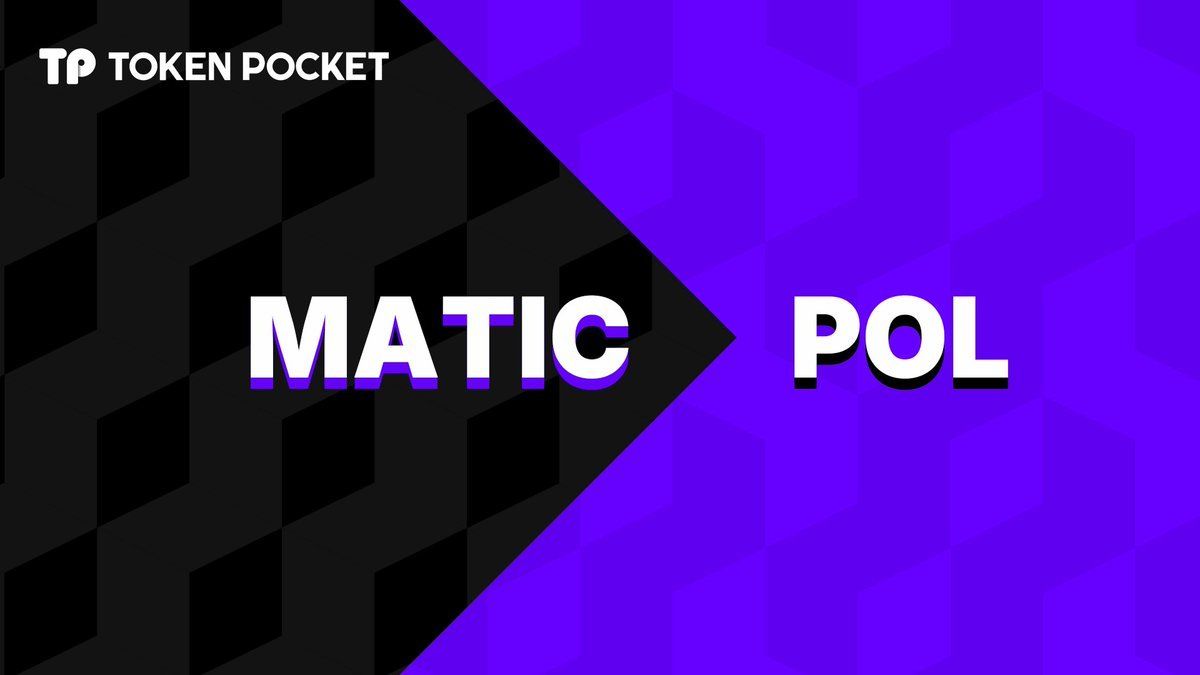


TokenPocket has rolled out gas‑free USDC transfers on Polygon, aiming to make everyday crypto payments feel closer to using a normal fintech app. The feature lets users send USDC without holding MATIC for gas, which is often a stumbling block for new users. Instead, the wallet handles network fees in the background so the sender only needs USDC in their balance.
This change targets people who treat USDC as digital cash for small payments and remittances. It also helps merchants and dApp users who want predictable stablecoin transfers without worrying about topping up gas on every chain they use.
How Gas-Free USDC Transfers Work
Polygon already offers low-cost, fast transactions, but it still requires MATIC to pay gas. TokenPocket’s update uses a gas abstraction model so the wallet or a partnered relayer covers those fees on eligible USDC transfers. From the user’s view, they simply choose a contact, enter an amount, and confirm the transaction in USDC.
The system works with whitelisted transaction types, which helps keep costs and spam under control. It does not remove gas at the protocol level, but it hides that complexity from the end user. In practice, this makes it easier for people who only buy USDC on an exchange and then withdraw to Polygon without adding MATIC.
Why This Matters for Stablecoin Payments
USDC has become one of the most popular stablecoins for trading, savings, and day‑to‑day transactions. However, many users get stuck when they move to a new network and discover they need a separate gas token. By abstracting gas on Polygon, TokenPocket reduces that friction and nudges more people to use USDC for small, frequent payments.
For merchants and dApps, gas‑free flows can improve conversion. A buyer is less likely to abandon a checkout if they do not need to backtrack, buy MATIC, and then restart the payment. It also helps users who move between different EVM chains and want a consistent experience.
Gas abstraction is quickly becoming a key theme in wallet and layer‑2 design. Many teams now see it as essential if crypto payments are ever going to compete with cards and mobile money for mainstream users. TokenPocket’s integration on Polygon fits that trend by proving that a wallet can hide gas complexity while still running on public infrastructure.
READ MORE: Pi Network Price Prediction Ahead of 200 Million Token Unlock in April