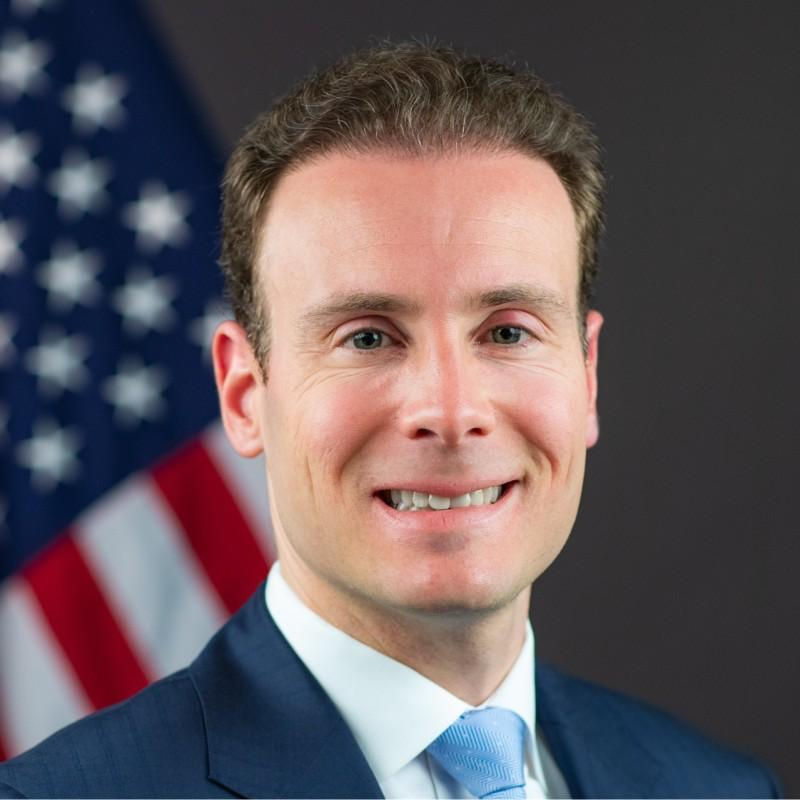


Chairman Mike Selig says a recent court ruling backs the CFTC’s claim that it alone regulates trades on federally registered futures exchanges, known as designated contract markets, or DCMs. The decision arrives as states and other agencies test how far they can go in trying to treat some event contracts and prediction markets as gambling rather than federal derivatives.
Court Backs CFTC’s Reading of the Law
According to legal analyses, federal courts have started to draw clearer lines in disputes over who controls DCM‑traded products. In one key case, a district court sided with derivatives exchange Kalshi and found that the Commodity Exchange Act likely gives the CFTC exclusive authority over transactions on designated contract markets.
Commentators note that this reasoning echoes earlier decisions where courts told other regulators, like the Federal Energy Regulatory Commission, that they could not police futures trading that falls inside the CFTC’s lane. Those rulings leaned on Section 2(a)(1)(A) of the CEA, which grants the CFTC “exclusive jurisdiction” over swaps and futures traded on registered exchanges.
Chairman Selig has used both court filings and public commentary to argue that event contracts on CFTC‑registered exchanges are commodity derivatives, not casino bets. In a recent amicus brief supporting platforms facing state enforcement, the CFTC told a federal appeals court that states cannot rebrand DCM‑traded swaps as gambling to shut them down.
The brief describes how the CFTC’s position as the only national regulator of exchange-traded futures and swaps has been consistently upheld by Congress and the courts. Additionally, it cautions that overlapping state regulations would result in a patchwork that would increase expenses, perplex market players, and raise the danger of fraud by dispersing oversight.
States Push Back as Prediction Markets Grow
Despite that stance, several states have tried to apply gambling or consumer‑protection laws to CFTC‑registered markets that list contracts on political races, sports, or other events. That pressure has produced a wave of litigation against venues like Kalshi and other prediction‑style platforms, even when they operate as designated contract markets under federal law.
In response, the CFTC has filed lawsuits and briefs designed to “safeguard its exclusive regulatory authority” and defend market participants from what Selig calls overzealous state regulators. The agency argues that Congress chose a national framework for derivatives because fragmented state regimes had already proved costly and unstable in earlier eras.
READ MORE: Chainlink Price Pattern Mirrors Prior Cycle Lows Before Major Rallies