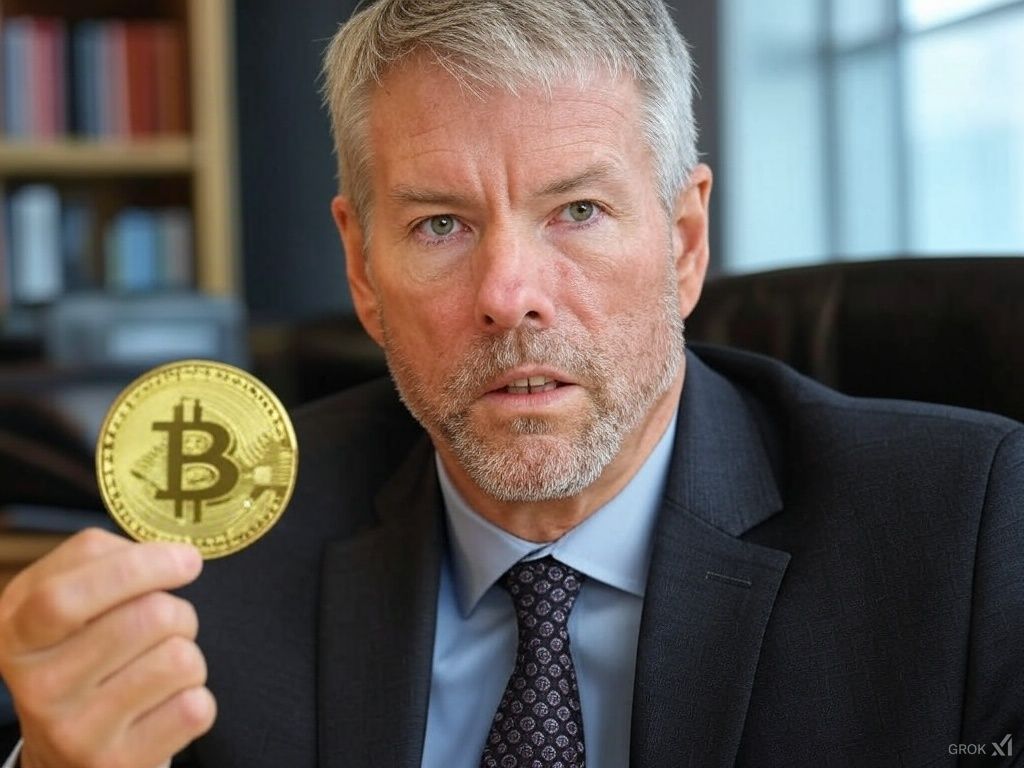



A New York Times study has brought back the mystery surrounding the developer of Bitcoin. It claims that British cryptographer Adam Back is the most likely person to be behind the pseudonym Satoshi Nakamoto. The paper makes a case based on technical background, writing style, and years of digital breadcrumbs, but it admits that it still doesn’t have any solid proof.
Inside the New York Times Investigation
The New York Times article discusses how reporters John Carreyrou and Dylan Freedman spent a year trying to identify who Satoshi was. They reviewed thousands of historical emails, forum posts, and technical documentation from the cypherpunk and early Bitcoin communities. The team reviewed a list of well-known cryptographers and early Bitcoin figures and decided that Back was the best match for the profile they built for Satoshi.
The report says that Back’s work predicted several parts of Bitcoin’s design. He invented Hashcash in the late 1990s. Satoshi later included it as an example of a proof-of-work mechanism in the Bitcoin white paper. The New York Times says that Back also wrote on ways to combine proof-of-work with digital payment systems that are quite similar to how Bitcoin is set up now.
Linguistic Clues and Timeline Overlaps
A major part of the case is linguistic analysis of Satoshi’s public writings. The NYT says Back’s emails and posts share similar spelling choices, phrasing, and sentence rhythms with Satoshi’s messages to early Bitcoin developers. Earlier independent analyses had already flagged Back as a possible stylistic match, and the Times builds on that work.
The investigation also looks at timing and behavior. Back was active in cypherpunk circles during the years when Satoshi was developing and launching Bitcoin, then appeared to pull back from certain public forums as Satoshi disappeared in 2011. The NYT frames this as suggestive, not conclusive, and stresses that no on-chain or cryptographic evidence links Back to Satoshi’s early wallets.
Adam Back has firmly denied being Satoshi Nakamoto. In comments to the BBC and other outlets, he called the NYT theory a product of “coincidences” and long-running speculation fueled by his early research. He has also pointed to published email logs with Satoshi that show a polite but professional distance between the two.
READ MORE: Crypto Rally at Risk as Odds of 25th Amendment and Democrats Flipping Senate Rise