


- Top Ethereum challengers like Scroll, Unichain, and Berachain had a remarkable surge.
- These networks added billions of dollars in assets within months and then lost it all.
- Ethereum has become the go-to chain for large players in the crypto industry.
Since Ethereum launched in 2015, thousands of developers have launched projects aimed at disrupting its business model. Unfortunately, some of the most promising projects that launched with substantial hype have become ghost chains, with their market capitalization crashing.
Most Ethereum rivals have always pitched their layer-1 chains as much faster and with lower transaction costs. However, thanks to the recent upgrades, the appeal of these challengers has faded as Ethereum has become faster and cheaper.
A good example of this is Sonic, which was launched last year by Andre Cronje, one of the top developers in the blockchain industry. Before Sonic, he was the creator of Yearn Finance and other protocols like SushiSwap, Cream Finance, and Cover Protocol.
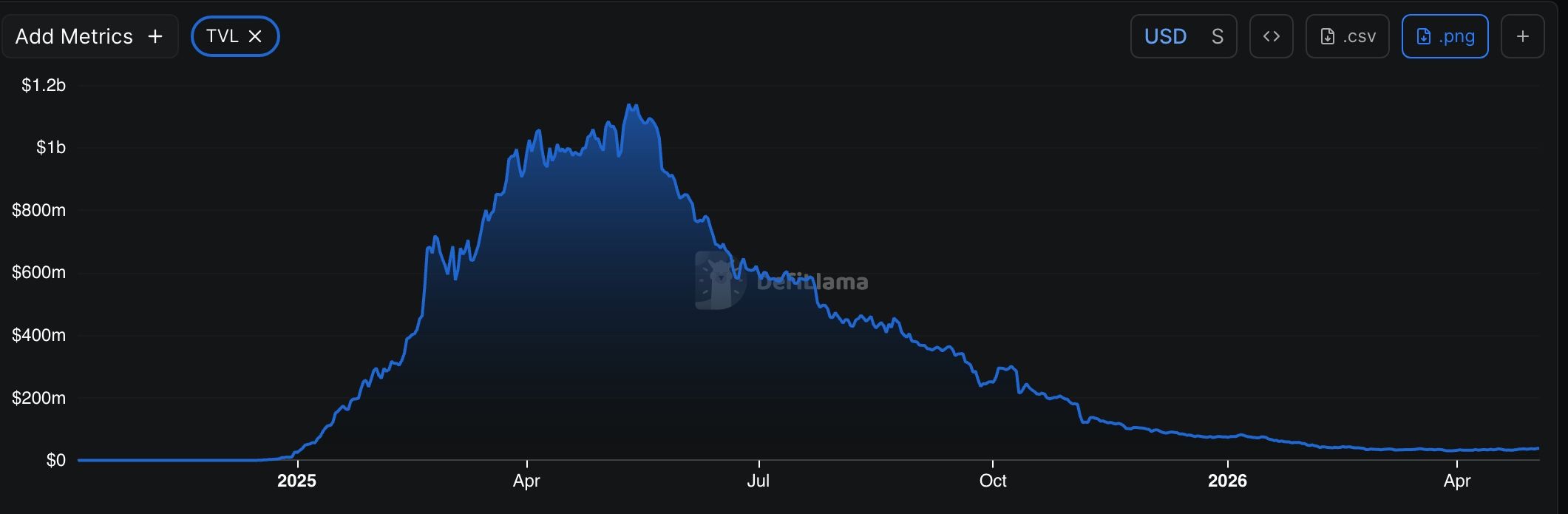
At its peak, Sonic had a total value locked (TVL) of over $1.10 billion, attracting popular developers like Pendle and Aave. Today, its total value locked has tumbled to just $39 million, while its chain fees fell to $23k in Q1 from $955k in the second quarter of last year. Sonic’s token market capitalization has dropped from $2.47 billion to $127 million today.
Additionally, Unichain, launched by Uniswap last year, experienced strong initial growth, with its total value locked soaring to $878 million within a few months. Today, the figure has slumped to $33 million, while its chain fees tumbled to just $72k last quarter.
READ MORE: PayPal Stock in Focus as New CEO Reshapes Venmo Ahead of Earnings
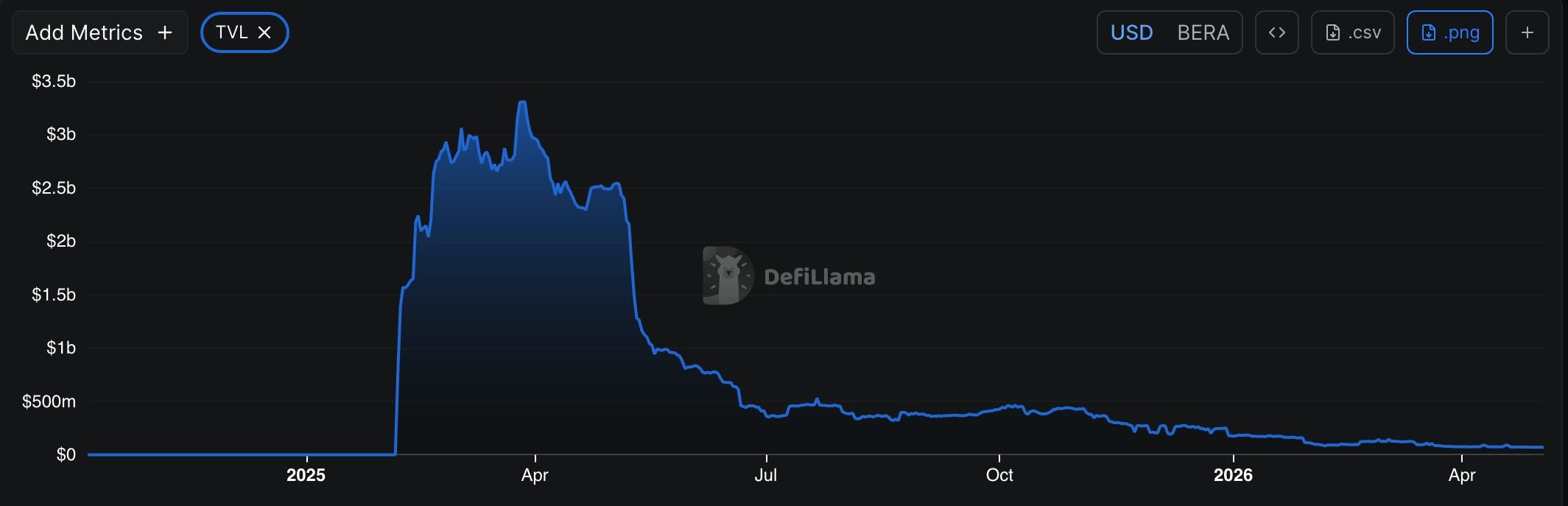
Berachain is another Ethereum rival that launched with a lot of hype, with its total value locked soaring to $3.3 billion, a figure that has now plunged to $71 million. At its peak, the network had over $2 billion in stablecoin supply, which has now dropped to $83 million.
Scroll made its pitch as a privacy-focused chain leveraging the zero-knowledge technology. As a result, its TVL jumped to $600 million before dropping to $18 million.
These developments show how hard it is to build a layer-1 or layer-2 network that can successfully challenge Ethereum in key areas like decentralized finance and stablecoin. This disruption will become more difficult as Ethereum rolls out better upgrades that will make it faster, cheaper, and more secure.
Most notably, Ethereum has the legacy that these new challengers lack, which explains why top blue-chip companies like JPMorgan, Janus Henderson, and WisdomTree have selected it for their projects.