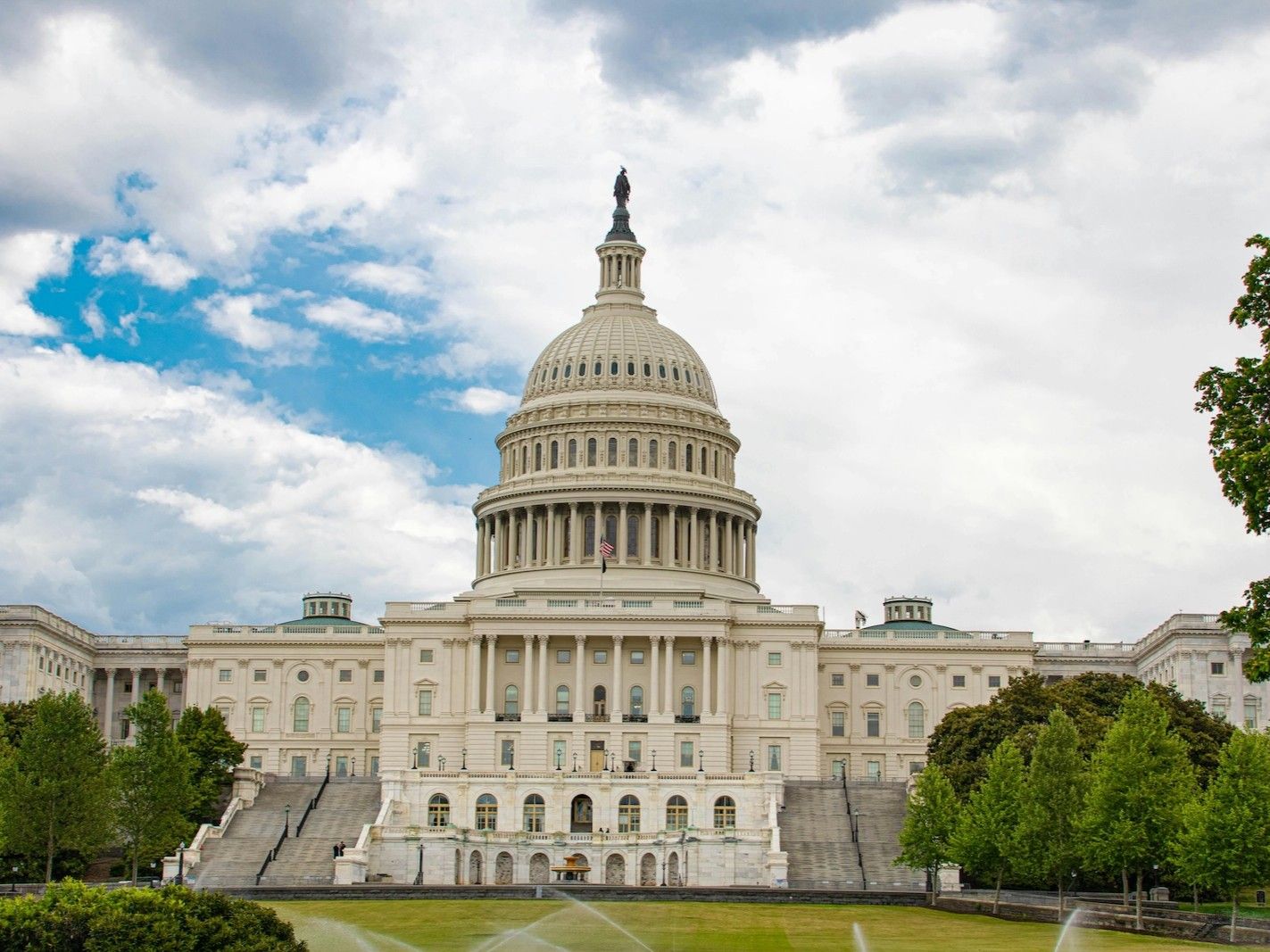


The US Senate Banking Committee has released a 309-page draft of the Digital Asset Market Clarity Act, sometimes called the Crypto Clarity Act, that offers a comprehensive legal framework for crypto markets in the US. The new draft, which is 278 pages long and was circulated in January, keeps the core power-sharing arrangement between the SEC and CFTC. Lawmakers are now heading into a formal markup, where senators can debate and change the language before any floor vote.
The measure seeks to resolve years of regulatory murky area by designating three key digital asset buckets and assigning regulators to each bucket. It also beefs up investor protections, introduces new anti-fraud capabilities, and includes a controversial provision on stablecoin returns. The draft includes a housing package called the “Build Now Act” as a political move to gain more support in the Senate.
Clear Roles for SEC, CFTC and Stablecoins
Under the draft, the Securities and Exchange Commission would oversee most initial token sales and offerings treated as digital asset securities. The Commodity Futures Trading Commission would regulate spot trading of “digital commodities,” which covers tokens that reach a mature or sufficiently decentralized state. Payment stablecoins would sit under a mix of Federal Reserve and state supervision, reflecting their closer link to banking and payments.
The Clarity Act’s main goal is to formally distinguish digital commodities, digital asset securities, and payment stablecoins in US law. Supporters say that clear buckets should reduce courtroom fights over whether a token is a security or a commodity, especially in cases against large exchanges and DeFi platforms. The draft also includes counter‑terrorist financing and anti‑money laundering provisions tailored to digital asset businesses.
Tougher Rules on Stablecoin Yields
One of the most debated sections focuses on how platforms can pay yields on payment stablecoins like USDC or USDT. The draft would ban “bank‑style” passive interest on simple stablecoin deposits unless the provider is a licensed bank or similar regulated entity. However, it still allows rewards tied to clear user activity such as staking, liquidity provision, governance participation, or loyalty programs.
Backers argue this approach stops trading platforms from acting like unregulated shadow banks while keeping room for DeFi incentives and utility rewards. Critics in the industry worry that the line between “passive yield” and “activity‑based rewards” could stay blurry in practice. The committee has invited more feedback from exchanges, stablecoin issuers, and developers before the bill advances.
READ MORE: Zcash Price C&H Pattern Points to a 56% Surge to $906 as Shielded Addresses Jump